Saadiyat Island: museums, a beach with turtles and homes by the water
How the island opposite Abu Dhabi became the country's cultural district: the Louvre, Zayed National Museum and a beach where turtles come ashore. The island's five parts, six key developments, the entry price and what you do not see at a viewing.
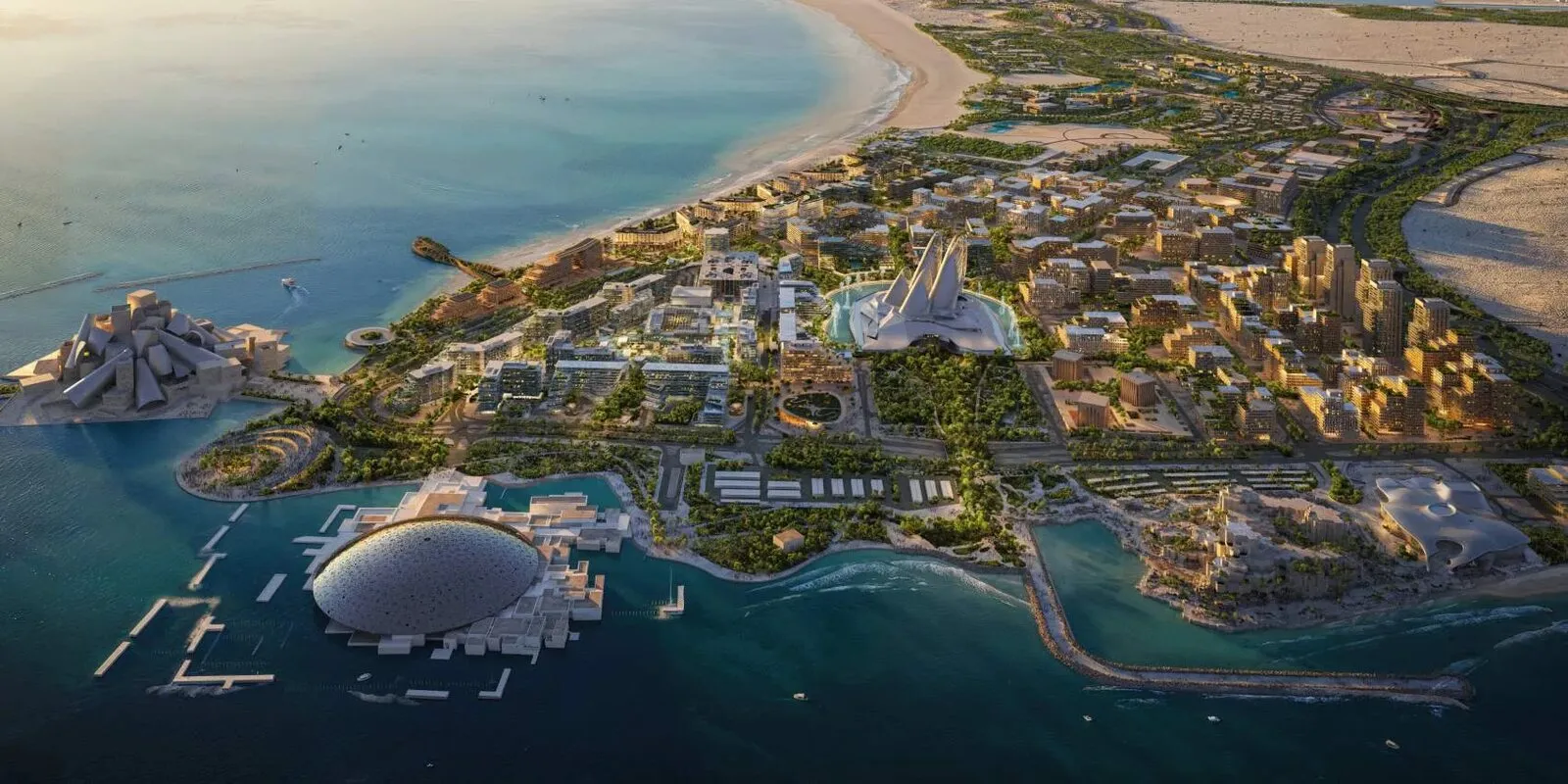
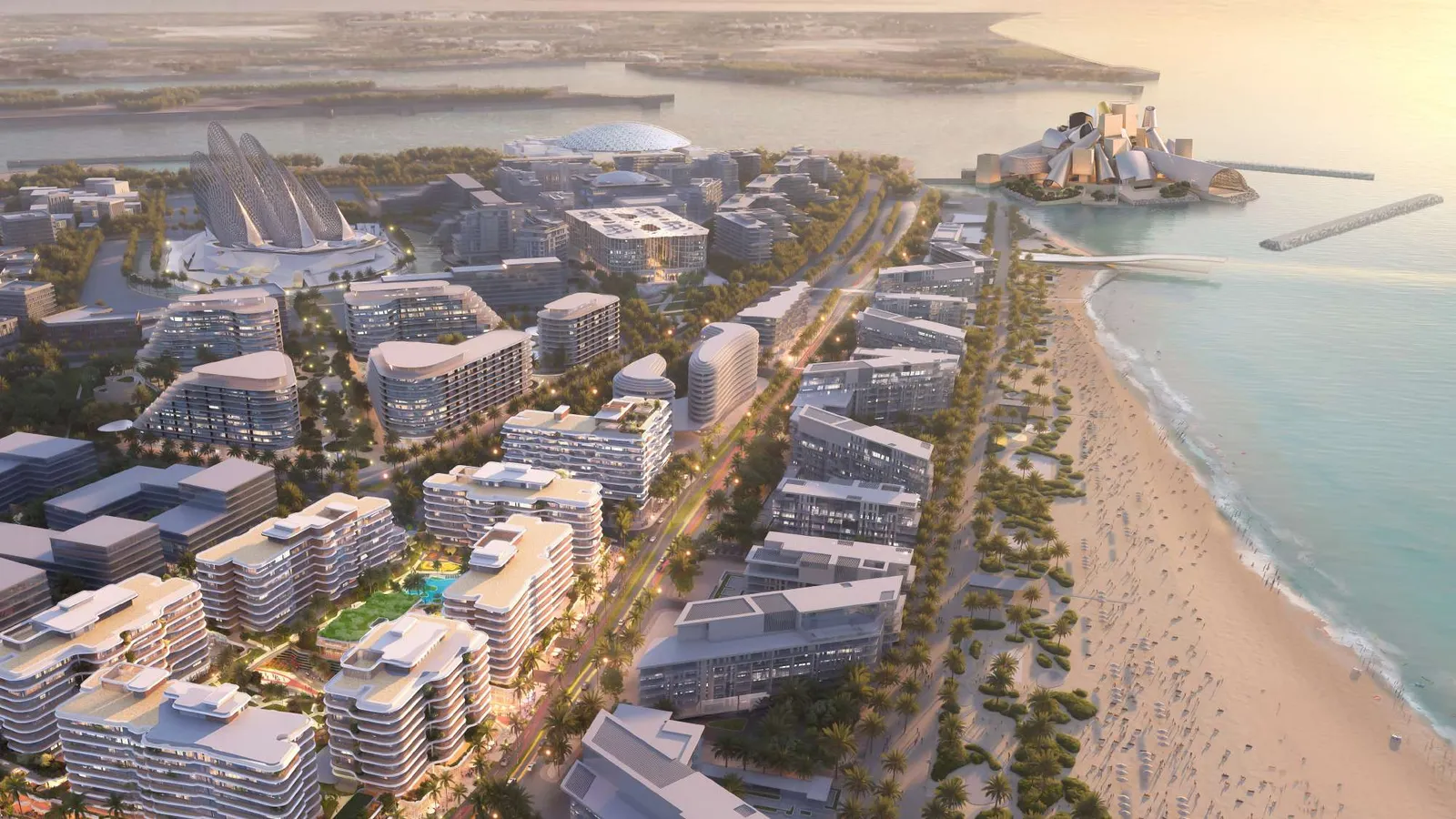
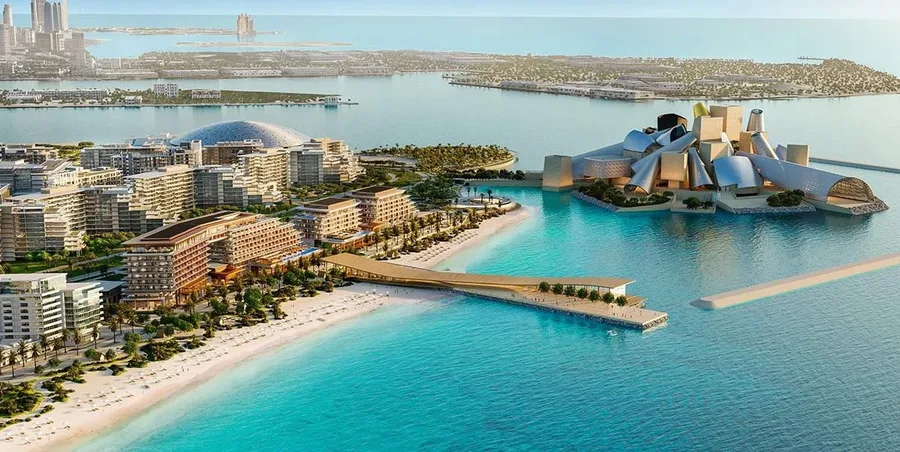
Saadiyat is an island in Abu Dhabi. On one shore stand the Louvre, Zayed National Museum and the Guggenheim now under construction; along the other runs a beach where sea turtles come ashore to lay their eggs. There is plenty of housing here: our catalogue has 50 developments on the island, 34 of them by Aldar. Apartments start from 900,000 AED, while seafront villas start from 13.5 million AED. We look at how the island came about, how it is divided, how its six key developments differ and what you do not see at a viewing.
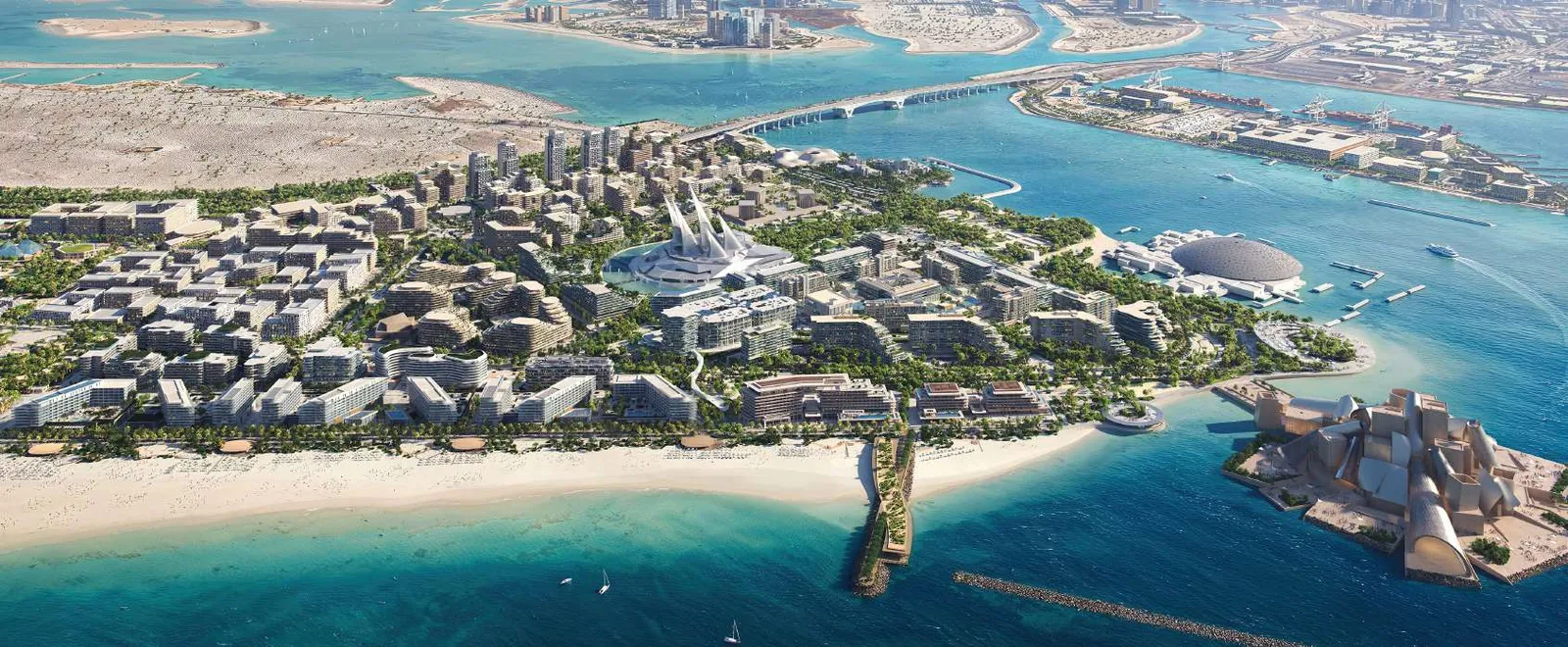
What is happening on the island
In 2007, Saadiyat was shown to visitors only as a scale model. Today, the Cultural District on its western edge is open, conceived as Abu Dhabi's leading museum cluster; hotels and villas line the shore, and Aldar is building more than a dozen residential developments on the island. By 2030, the island will be a fully fledged district of the capital, with museums, schools, a beach and communities where people live rather than simply holiday.
For a buyer, this means two things. First, the island is still being built, and nearly every development here will be handed over in two to four years. Second, you can already see the neighbours. The Louvre, beach and university are not renderings: they are open. That is why the island appeals to people looking for a capital without skyscrapers: nine-storey low-rise buildings, museums within walking distance and the sea close by.
If this is your first property purchase in the UAE, start with our guide How to buy property in the UAE: it takes you through the buying process in Dubai and Abu Dhabi, from reservation to getting the keys.
A well, a gazelle and a fort
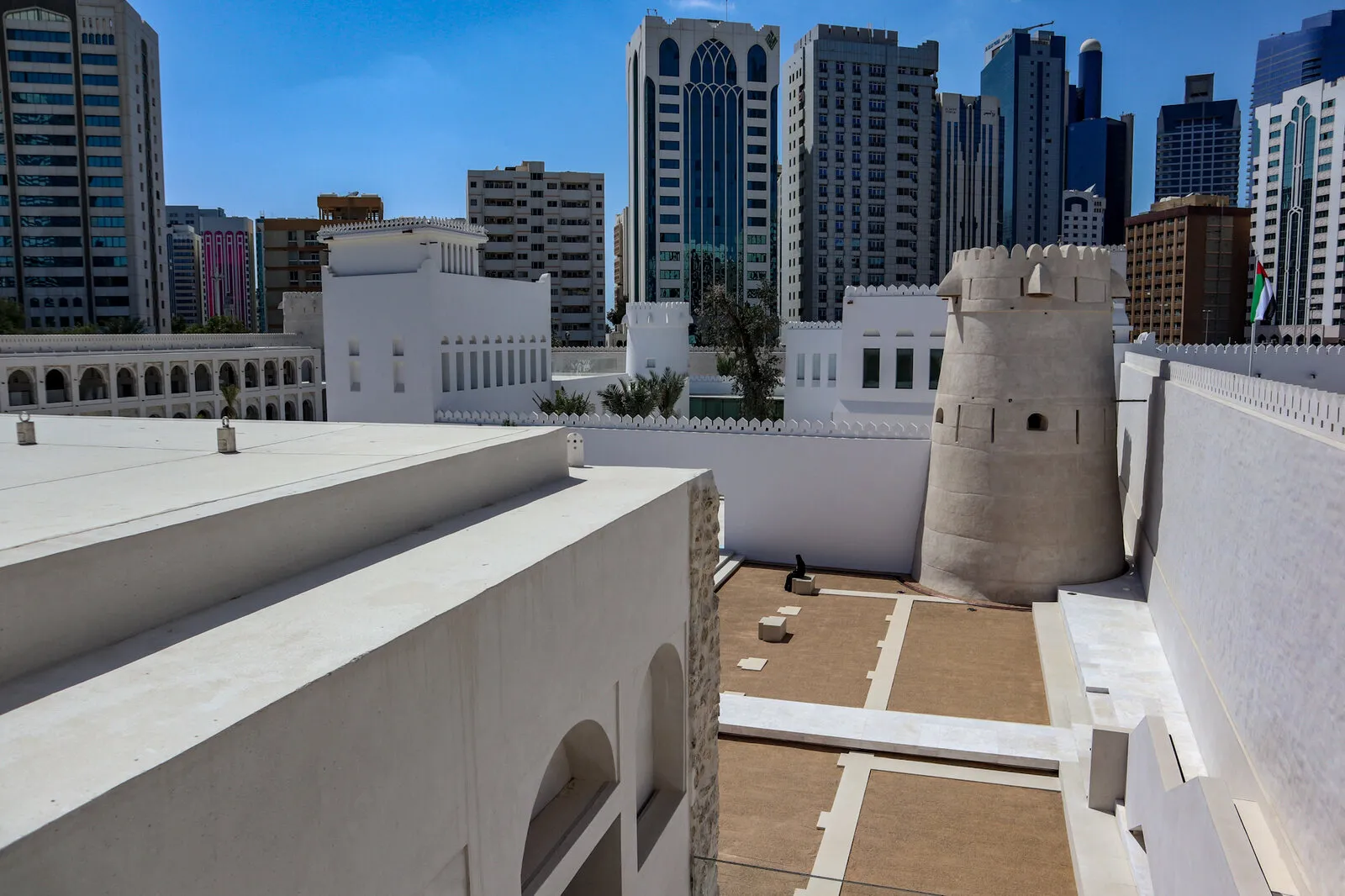
To understand Saadiyat, begin with the neighbouring island. In 1761, hunters of Sheikh Dhiyab bin Isa of the Bani Yas tribe found fresh water on the coast. According to a popular legend, they were chasing a gazelle, which led them to the spring. Hence the city's name: Abu Dhabi means ‘father of the gazelle’.
A round watchtower was built above the island's only well in that same year, 1761. At first there was a fort and around twenty houses beside it; two years later, there were about 400 houses around it. In 1793, a fort was built around the tower and Qasr Al Hosn became the rulers' palace. It remained so until 1966. It is the emirate's oldest building. The fort became the white building known today only during its 1976-1983 restoration.
A city built on pearls
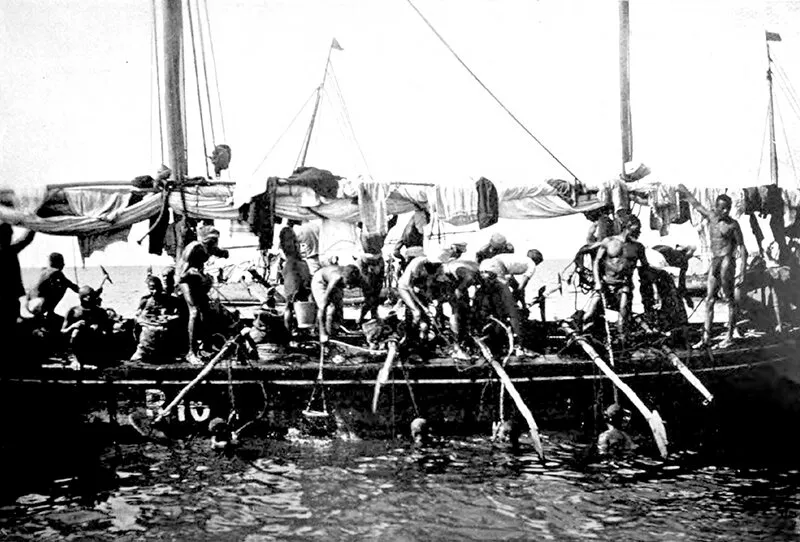
For two hundred years, Abu Dhabi lived on pearls. The trade had existed here for around seven thousand years, reaching its height in the late 19th century and the first decades of the 20th. Divers went underwater without tanks for one to three minutes and could make up to thirty dives a day. They wore a leather clip on the nose and leather guards on their fingers and toes to avoid cuts from shells.
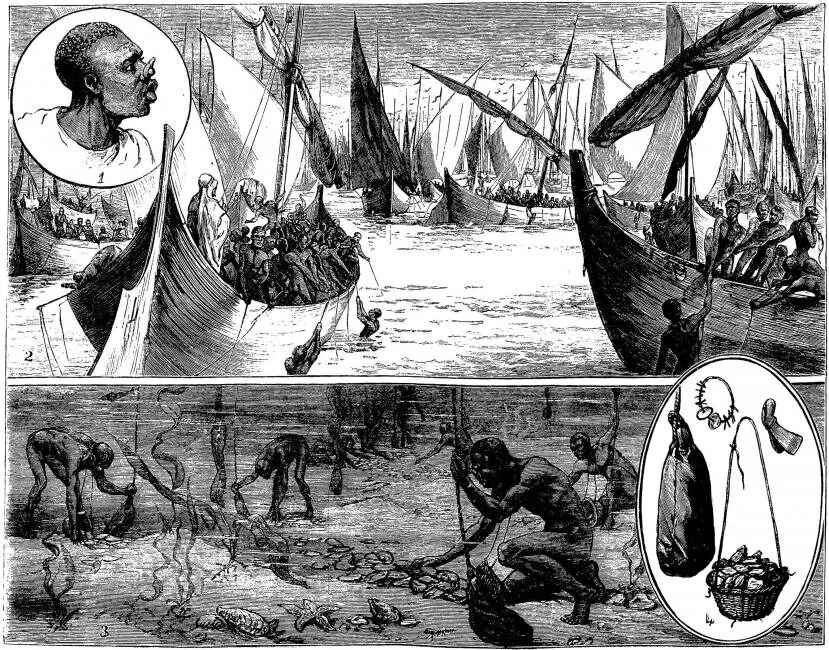
A diver received no daily pay: they received a share of the entire season's takings. By the mid-1930s, the pearl trade was in decline, and people in the Gulf began speaking of another source of wealth lying deeper than the oyster beds.
Oil, 1966 and an empty island
Oil came to the rescue. On 5 January 1936, Sheikh Shakhbut, the ruler of Abu Dhabi, signed the first exploration agreement, followed by a 75-year concession in January 1939. Oil was discovered offshore at Umm al-Shayf in 1958, at a depth of about 2,669 m, and onshore in 1959. The first oil revenues had already funded an extension of Qasr Al Hosn in the late 1930s.
On 6 August 1966, power passed to Shakhbut's brother, Sheikh Zayed. On 2 December 1971, seven emirates united to form the UAE, and Zayed became the country's first president. In 1967, Japanese architect Katsuhiko Takahashi laid out the new city commissioned by Zayed, initially for 40,000 residents. The city on the island grew into a capital of high-rises, while neighbouring low-lying Saadiyat Island remained empty for many years.
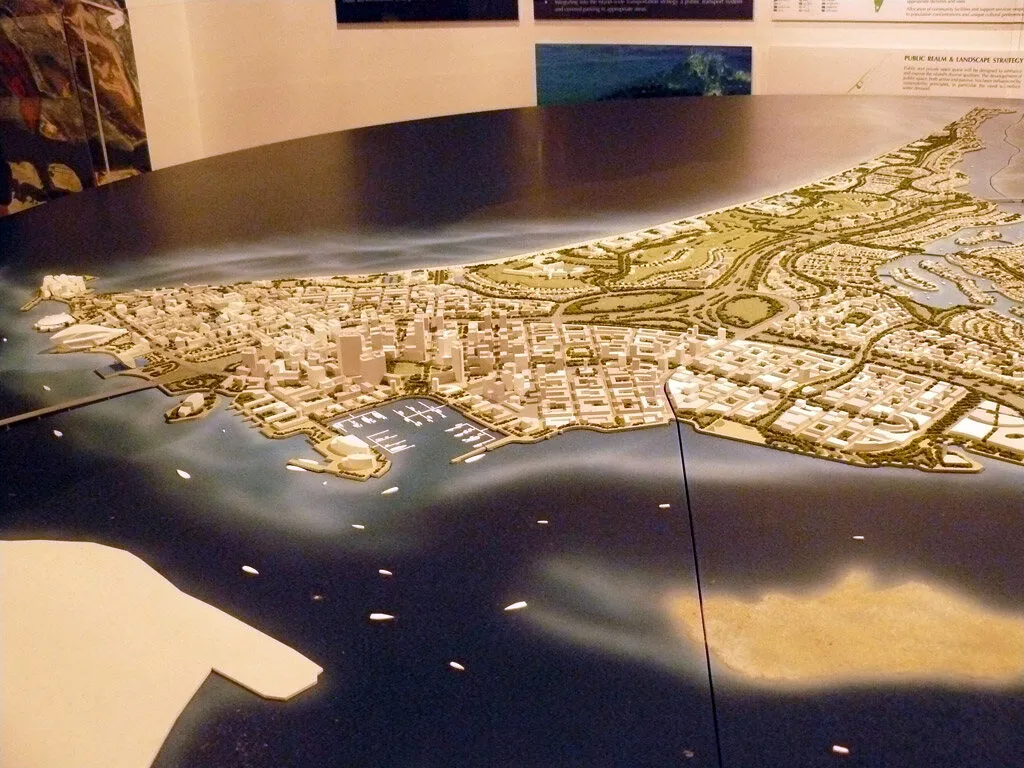
The island was given an auspicious name. Saadiyat translates as "island of happiness". In the 2000s, the emirate decided to build there what the country did not yet have: a cultural centre of global standing. The island was assigned to the state-owned company TDIC. EDAW drew up the master plan, later taken forward by AECOM. The plan provides for 27 km² of development, seven districts and more than 145,000 residents.
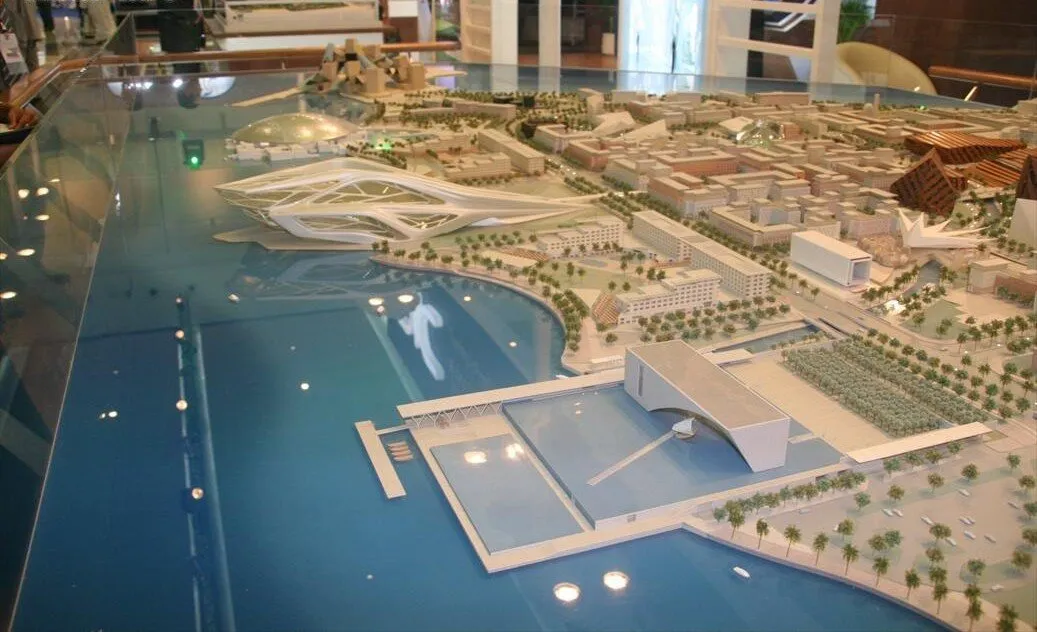
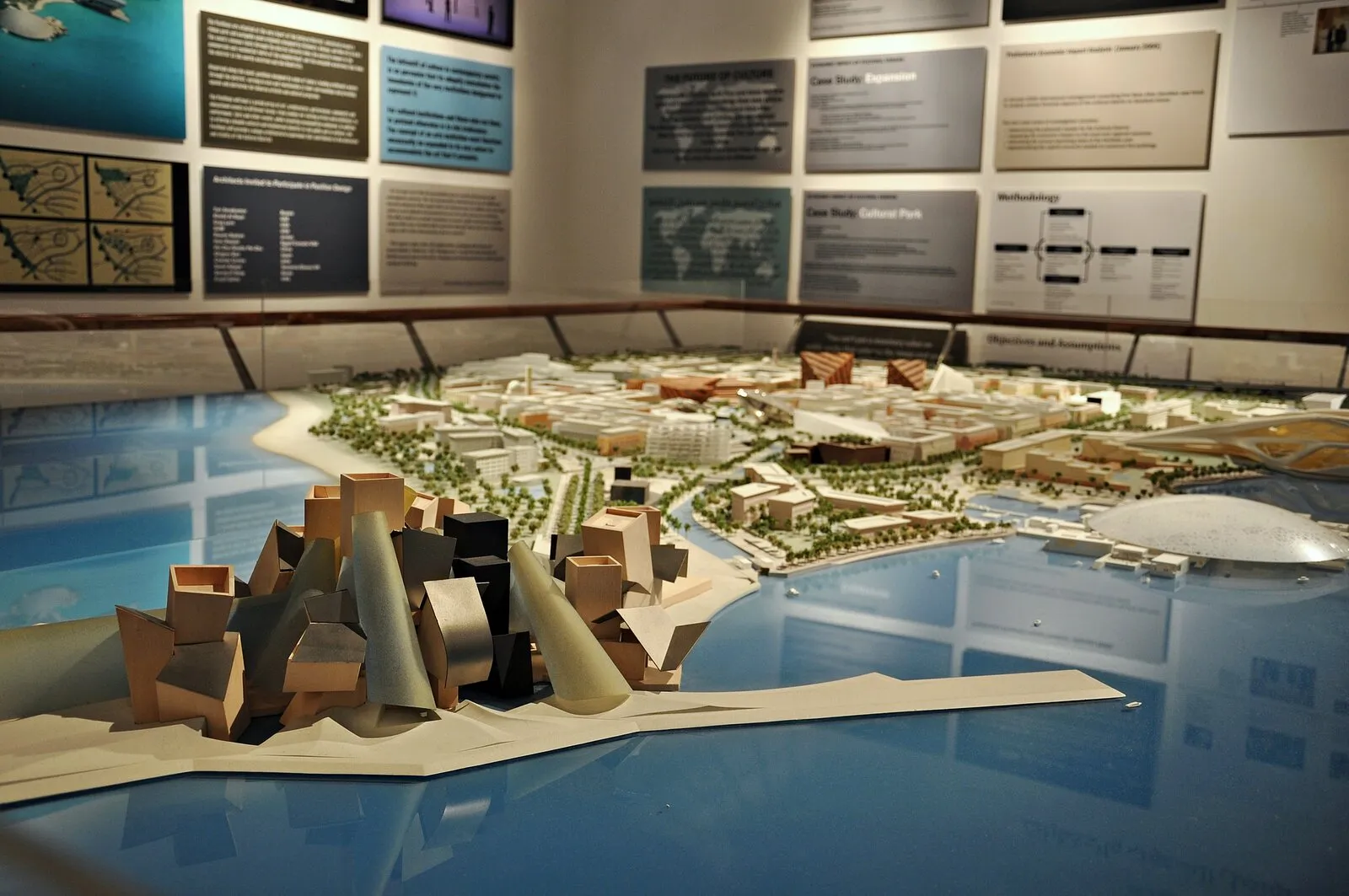
This was when the key agreements were signed. On 8 July 2006, Abu Dhabi and the Guggenheim Foundation agreed on a 30,000 m² museum. In March 2007, France and the UAE signed a 30-year agreement on Louvre Abu Dhabi, including the right to use the name until 2037. Abu Dhabi committed to pay €400 million for the naming rights alone. The island was still sand, but the models already showed Jean Nouvel's dome and Frank Gehry's cluster of cubes.
A dome of 7,850 stars
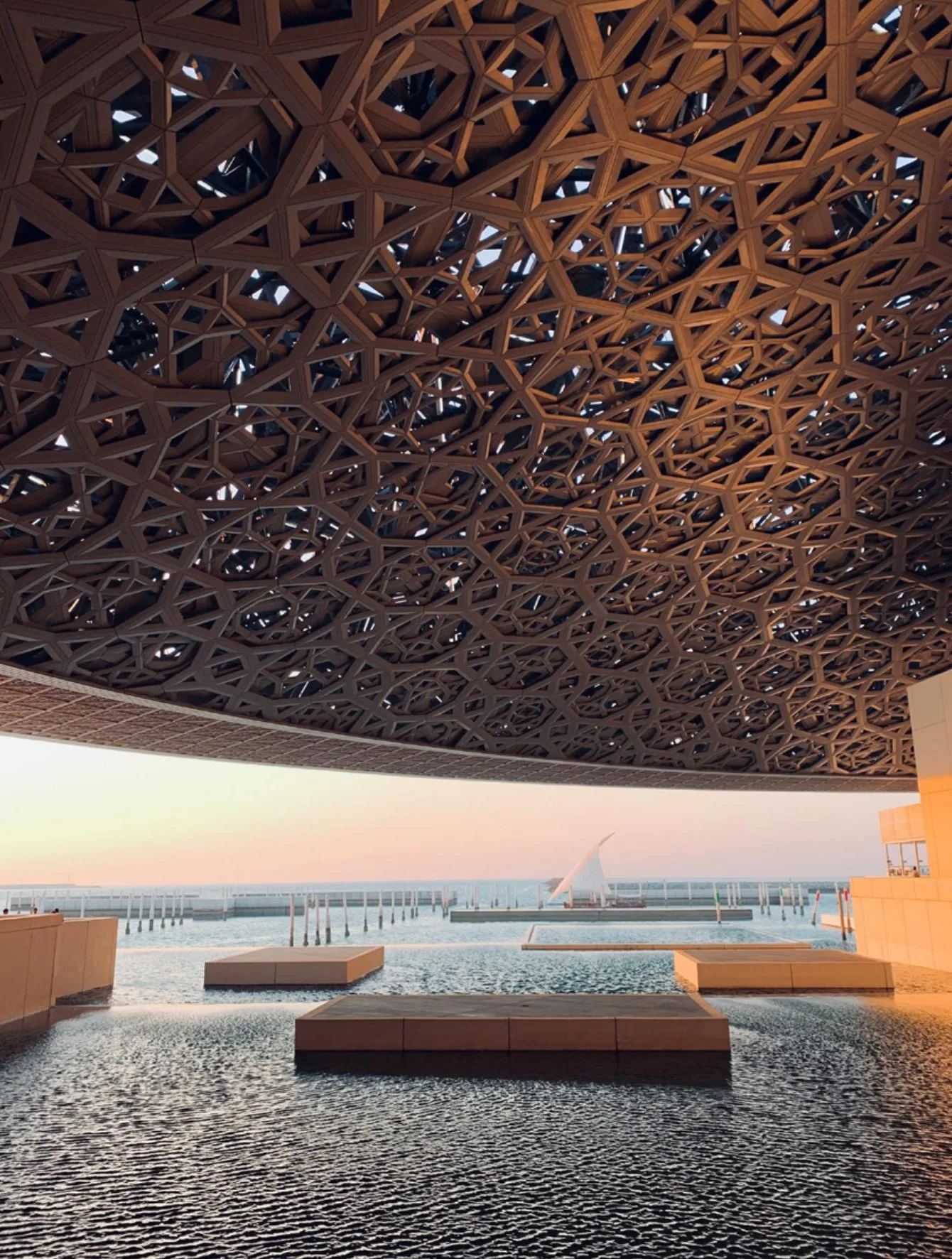
Louvre Abu Dhabi opened on 8 November 2017. Jean Nouvel covered it with a dome of 7,850 aluminium stars arranged in eight layers. Light falls through the dome in dappled patches, like sunlight through date-palm leaves. Saltwater pools run between the galleries, making the museum seem to stand directly in the sea. It covers about 24,000 m², including 8,000 m² of galleries. By 2019, it had welcomed 2 million visitors and had become the Arab world's most visited museum.
Over the next eight years, the Louvre gained neighbours. The Abrahamic Family House opened in 2023: a mosque, church and synagogue sharing one square, designed by David Adjaye. Bassam Freiha Art Foundation opened in March 2024, teamLab Phenomena in April 2025, and the Natural History Museum, designed by Mecanoo, in November 2025. Manarat Al Saadiyat hosts the Abu Dhabi Art fair each year and has a permanent exhibition on the island's planned development.
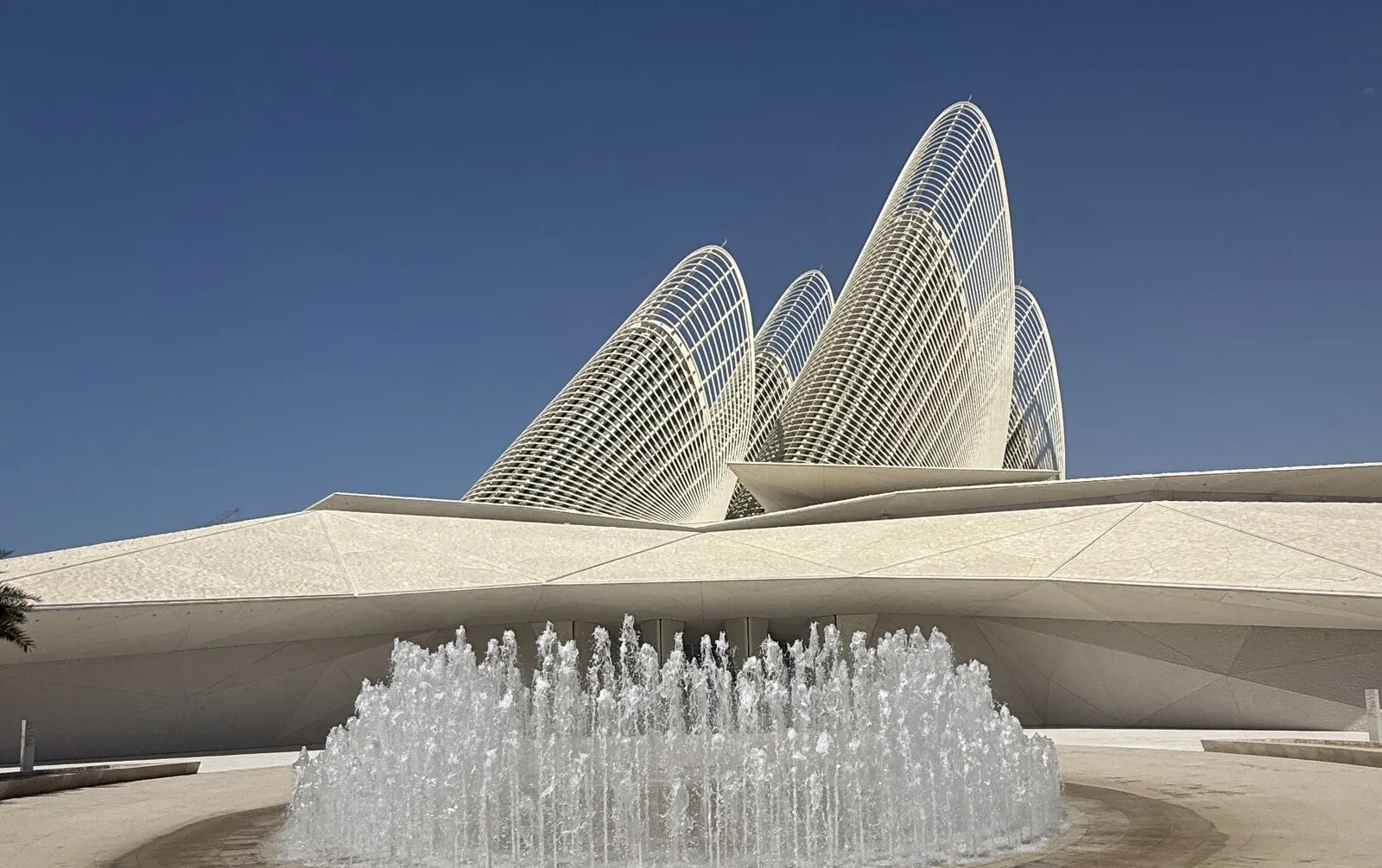
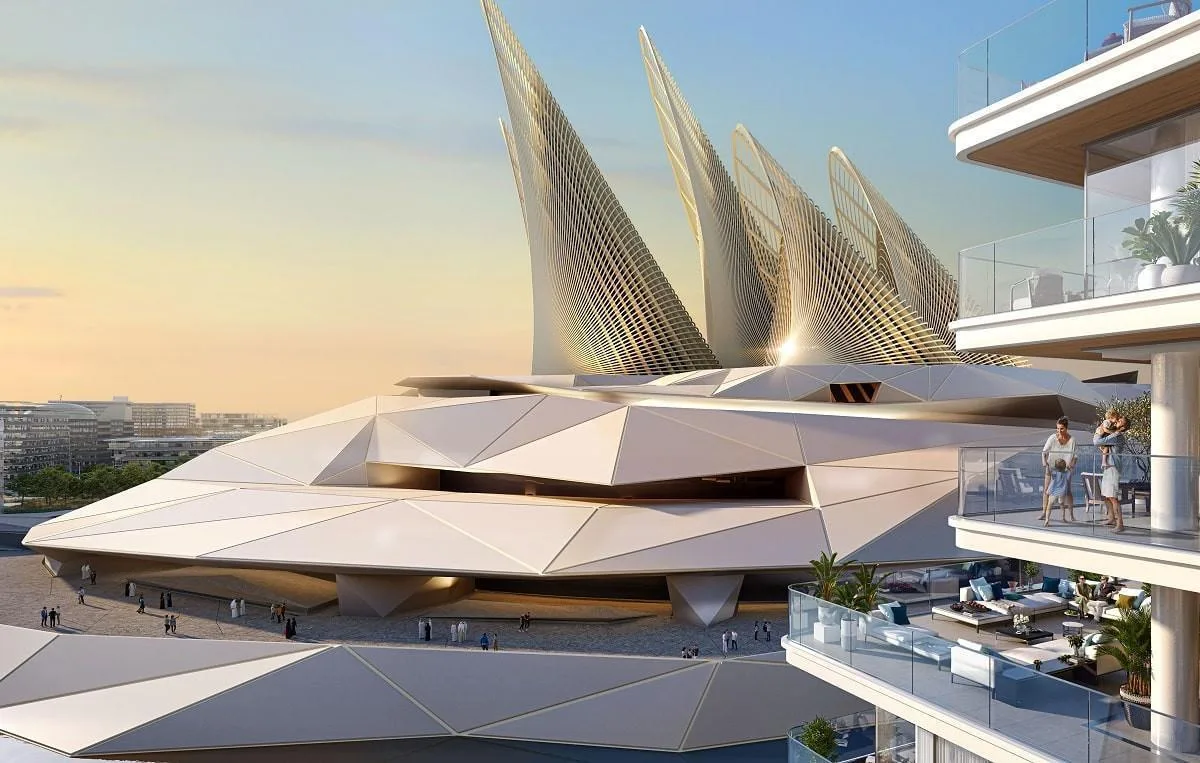
Zayed National Museum opened on 3 December 2025. Norman Foster's practice placed five towers shaped like falcon wings above it, in memory of Sheikh Zayed's love of falconry. The towers work as ventilation stacks, drawing cool air through the galleries.
The island's biggest project is still ahead. Designed by Frank Gehry, Guggenheim Abu Dhabi will be the foundation's largest museum: 30,000 m², including 12,000 m² of exhibition space. Construction began in 2011 and was halted almost immediately. A new contract was signed in October 2021. It is expected to open on 11 December 2026. Zaha Hadid's performing arts centre is on hold, and there has been no news on Tadao Ando's Maritime Museum, announced in 2007.
Turtles on the beach, homes beyond the dunes
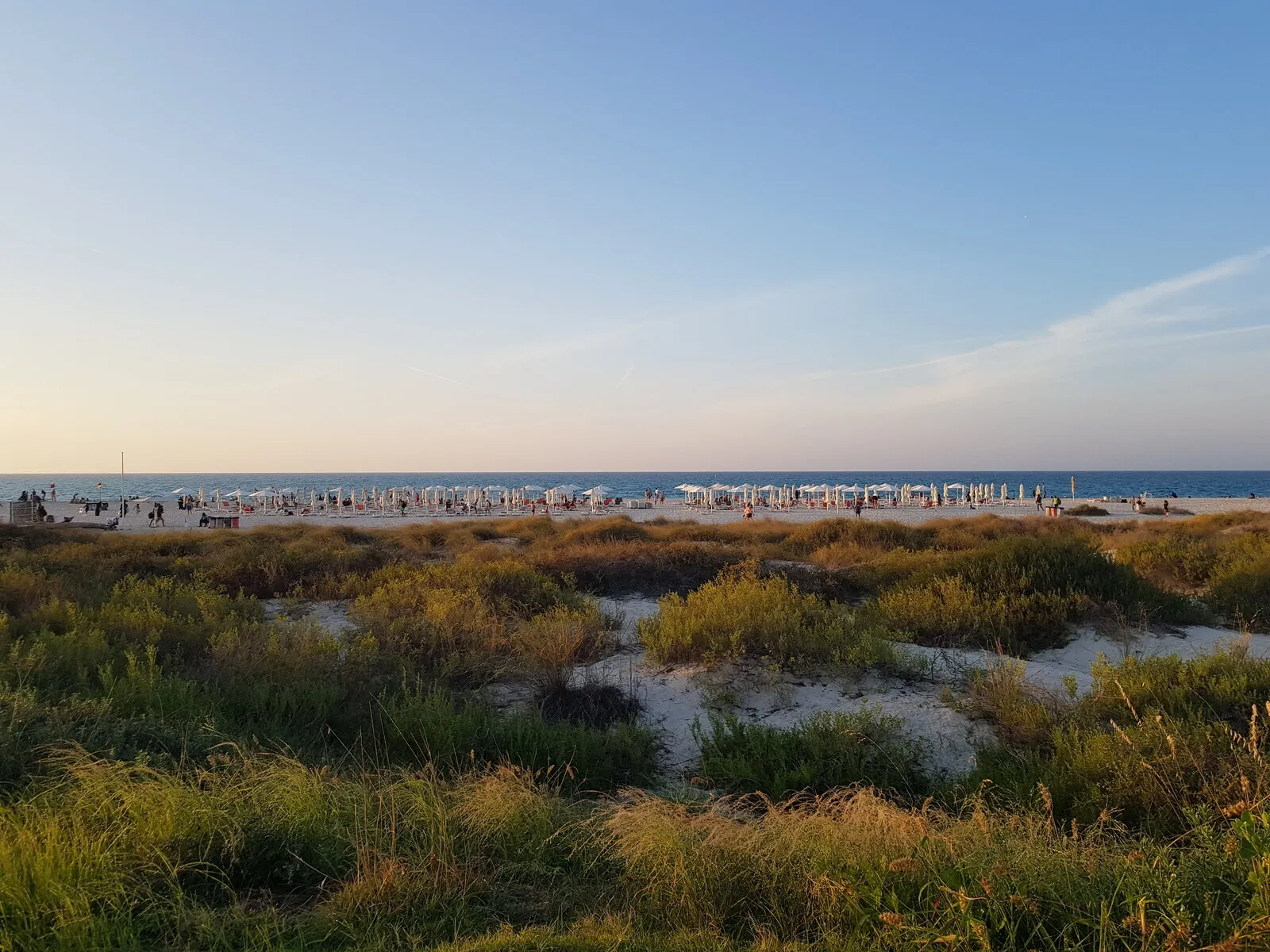
A long sandy beach runs along the Saadiyat coast, with grass-covered dunes behind it. Part of the shore and sea there form the Al Saadiyat Marine National Park.
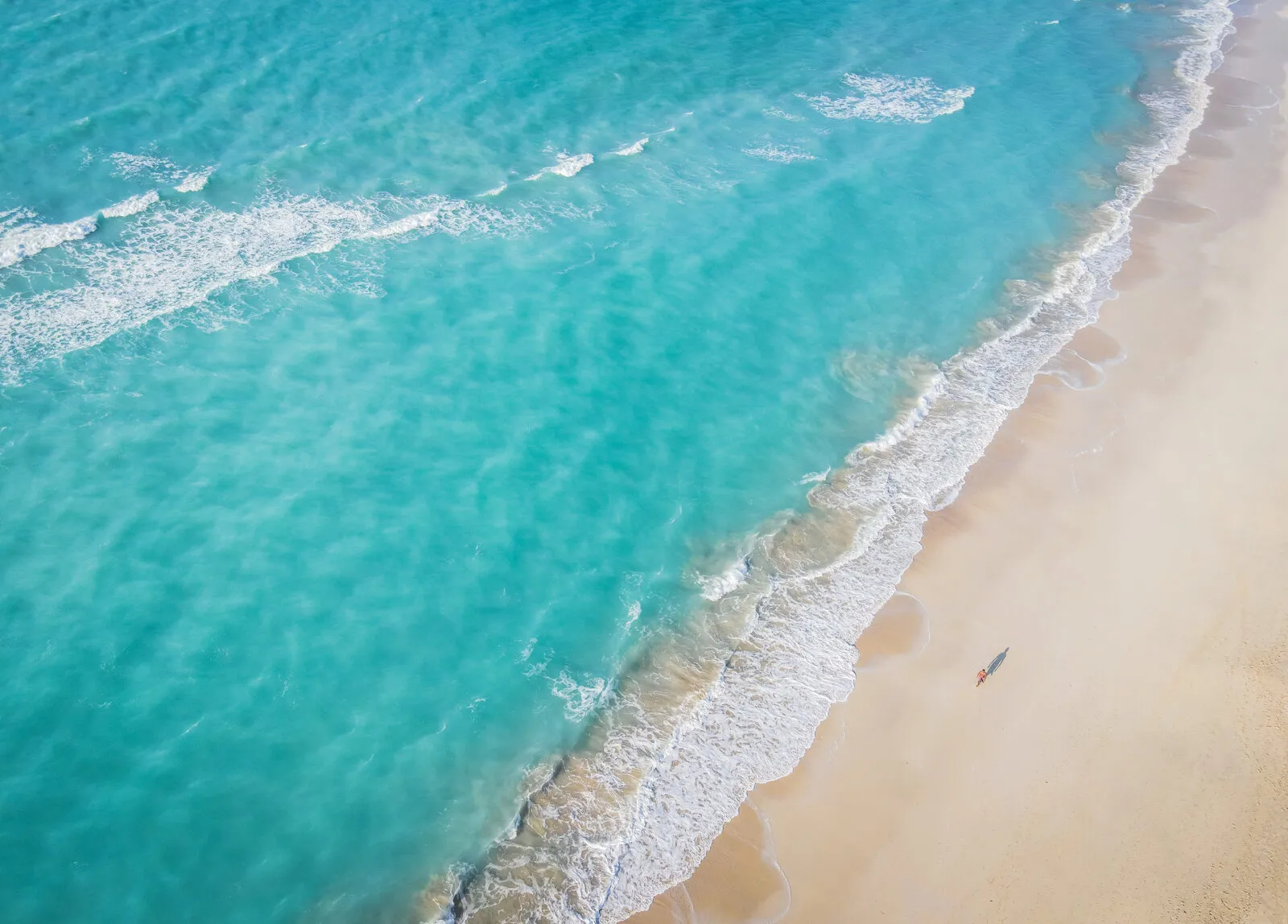
The beach's most important residents are hawksbill turtles. This endangered species lays its eggs on Saadiyat. During nesting season, residents of homes by the beach are asked to switch off exterior lights and close their curtains, as light disturbs the turtles. The beach is off limits at night, and turtle tracks in the sand must not be touched. Environmental patrols monitor the coast.
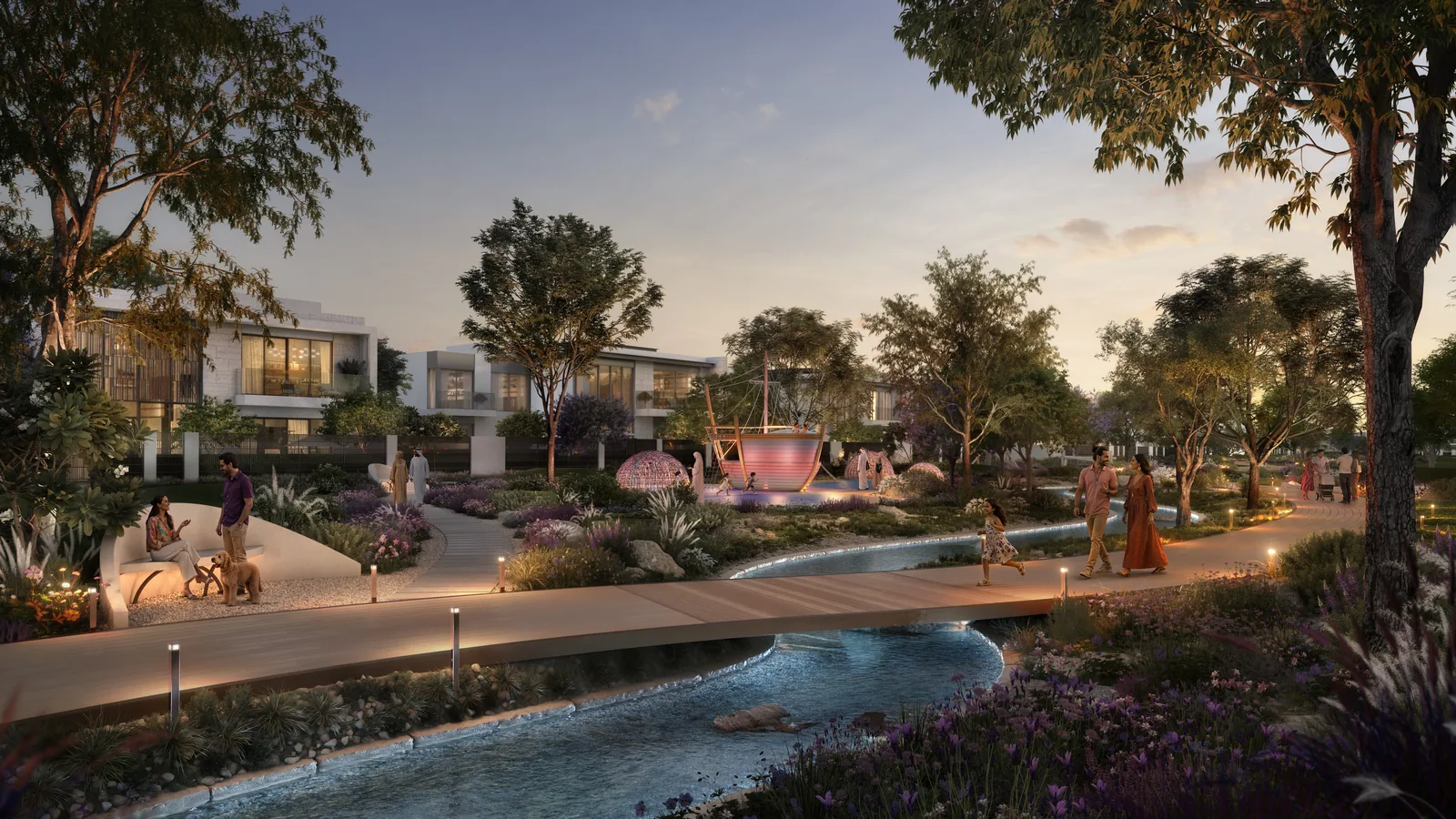
For the same reason, the island's developer set the resorts back from the sea. Construction was permitted no closer than 60 m from the edge of the coastal dunes. So a "seafront home" on Saadiyat does not stand on the sand but beyond the dune belt, with a path leading to the water.
Five parts of the island
The island is large, and living in its different parts can feel very different. For buyers, this is the most useful way to think about it.
Sei Saadiyat: the most affordable home by the museums
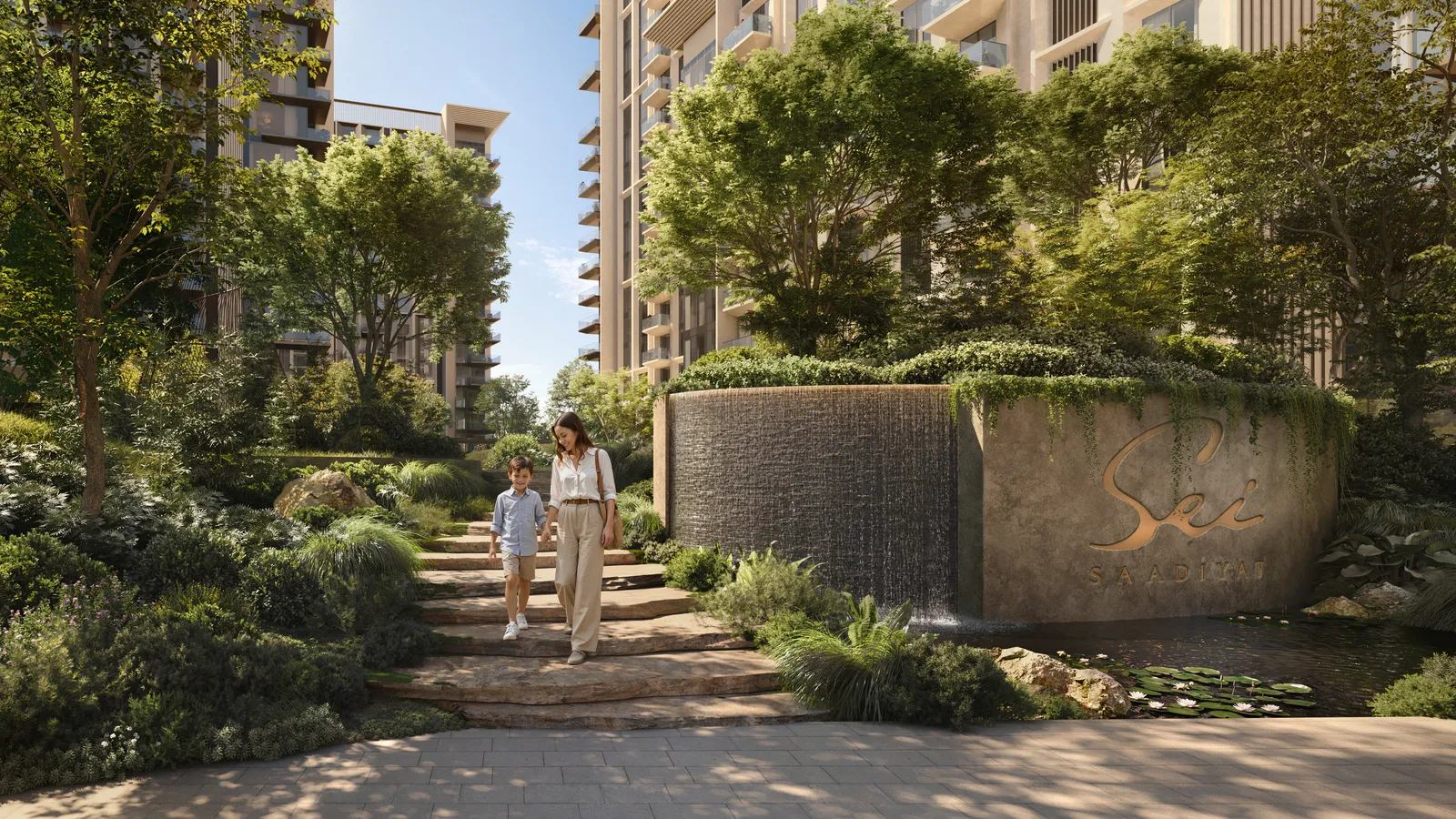
Sei Saadiyat Aldar is building it in the Cultural District. It comprises six buildings and 778 homes: one- and two-bedroom apartments, three-bedroom Kanso apartments and two-bedroom duplex Kanso lofts. Areas range from 70 to 208 m². Jacobs designed the architecture and garden, while Kettle Collective designed the interiors. Completion is scheduled for Q4 2030. Prices start from AED 2,950,000. The payment plan is 5% on purchase, 45% during construction and 50% on handover.
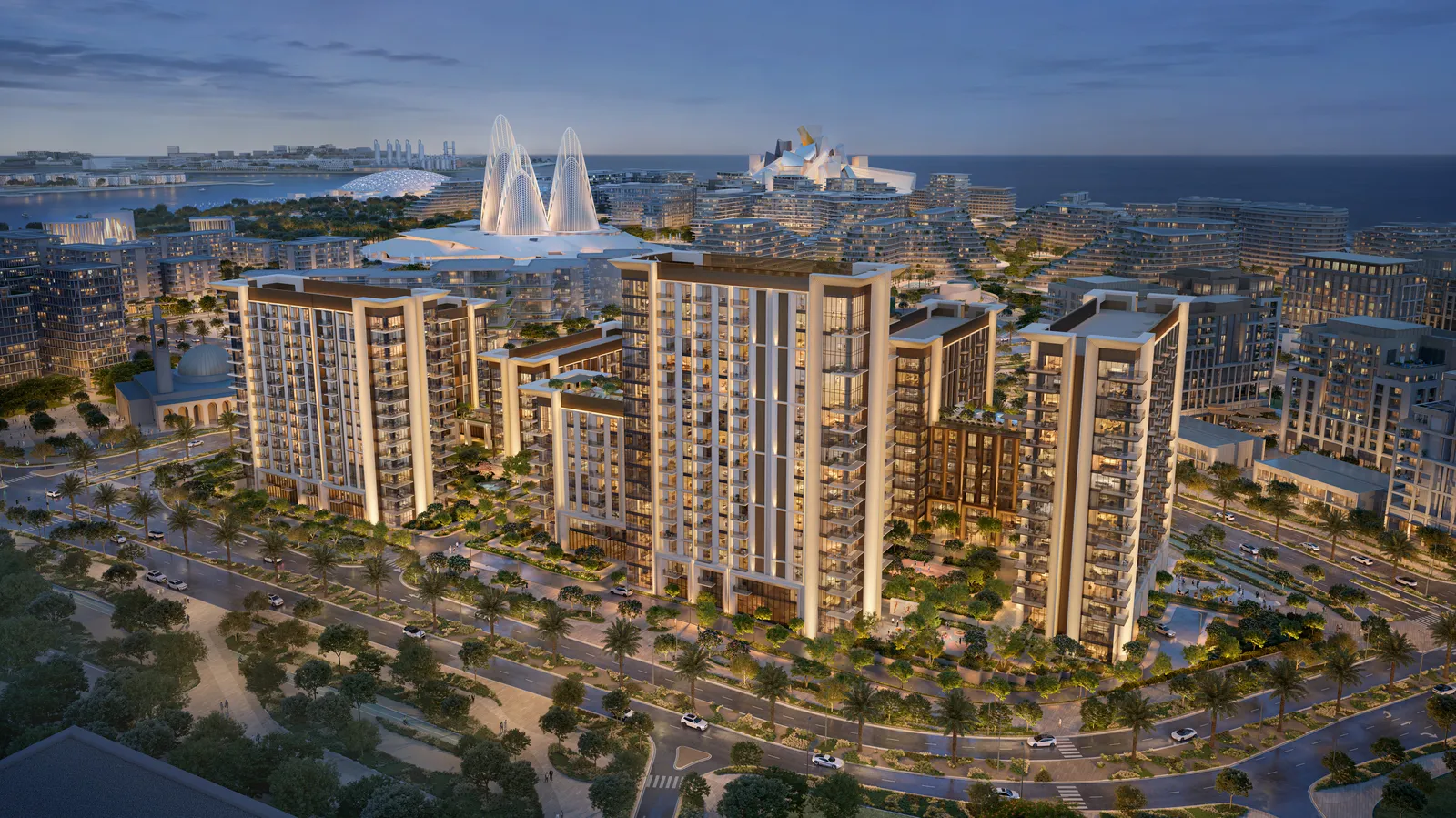
Sei Saadiyat's main draw is its proximity to the island's cultural landmarks. Abrahamic Family House is 1 km away, Zayed National Museum 1.3 km, and Louvre Abu Dhabi 1.7 km. A path through the development features commissioned artworks, and its kerbstones are brought from Japan. There are rooftop pools, plus a Zen garden with a tranquil pool and a wellness clinic in the courtyard. Distances and views are indicative.
The Row Saadiyat: a village by BIG
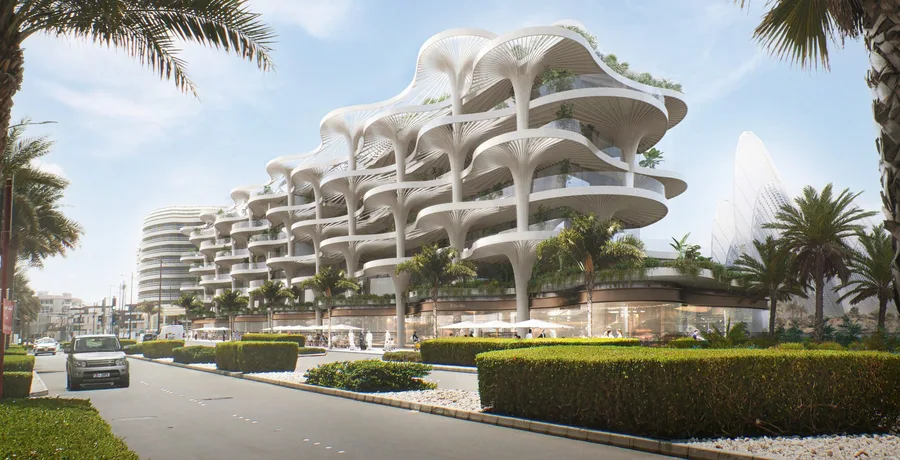
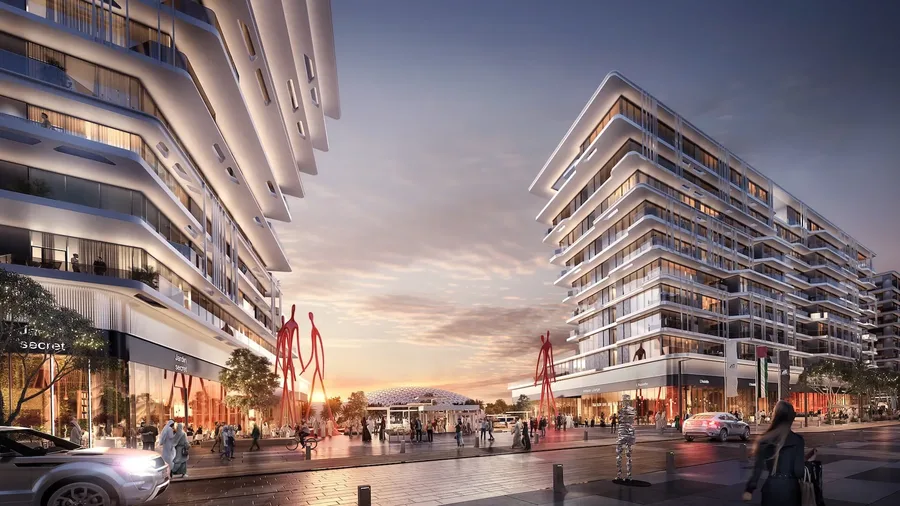
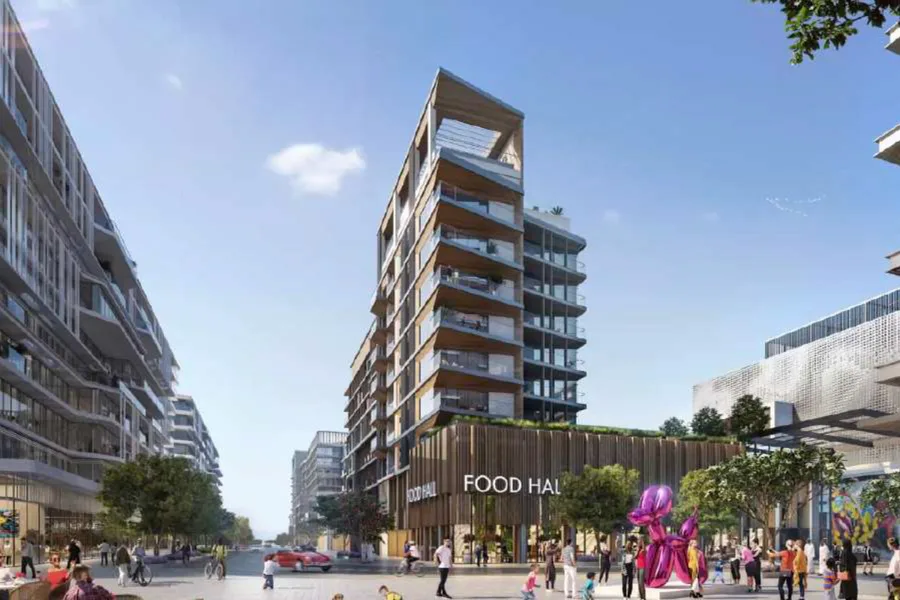
The Row Saadiyat The Row Saadiyat was designed by BIG, Bjarke Ingels' practice, with interiors again by Kettle Collective. It comprises seven buildings and 717 one- to three-bedroom apartments, some with a maid's room or study, ranging from 89 to 446 m². The buildings range from one to nine storeys. Boutiques and cafés occupy the ground floors. Covered, shaded walkways run between the buildings, alongside two lagoon pools and The Other Space residents' club. Completion is scheduled for Q1 2030, with 65% payable before handover and 35% on handover. In our catalogue, prices start from AED 8,646,000.
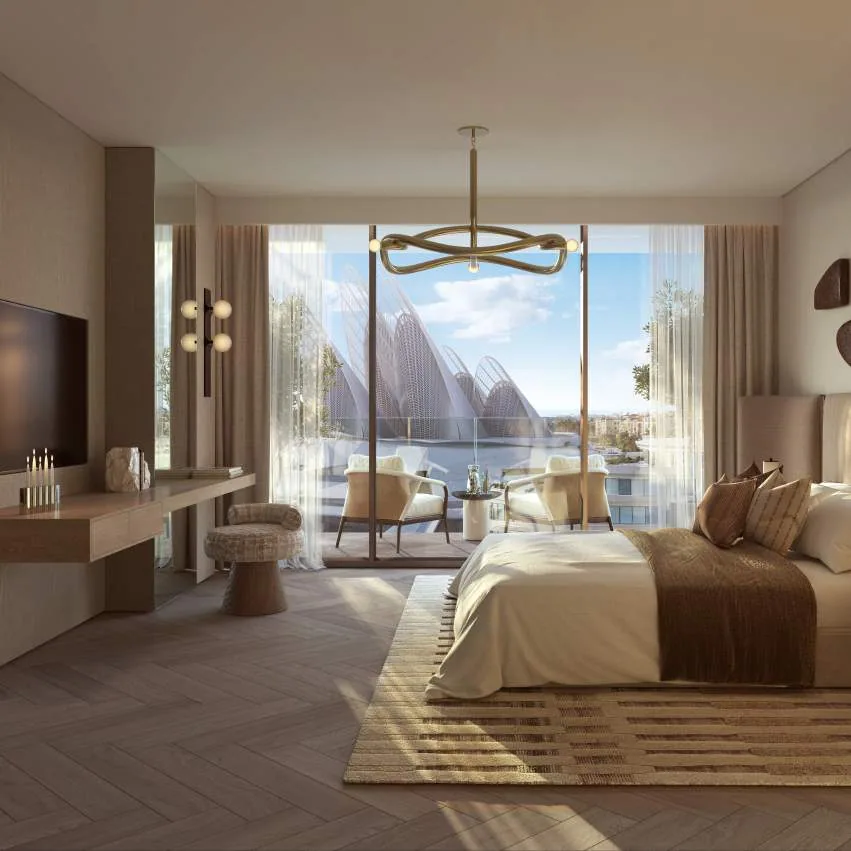
Mamsha Beach is 360 m away, Zayed National Museum 600 m, and Louvre Abu Dhabi and Guggenheim Abu Dhabi 1.1 km. Not every apartment has a view of the museum's "wings". This can only be confirmed from the floor plan and the building's orientation.
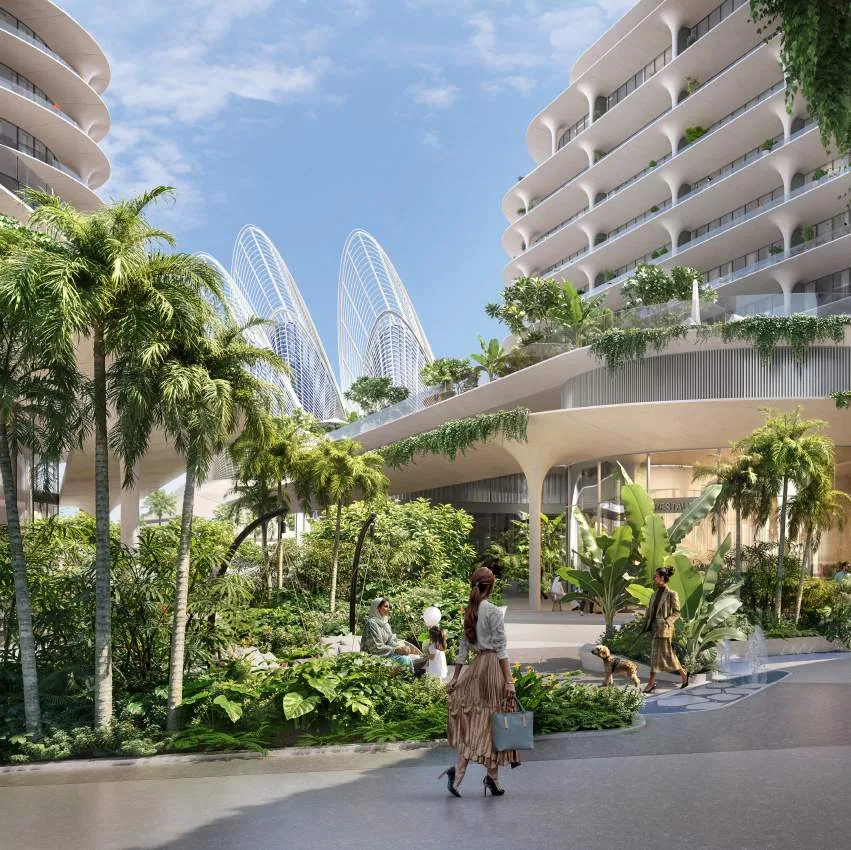
Mamsha Gardens: a garden 200 m from the beach
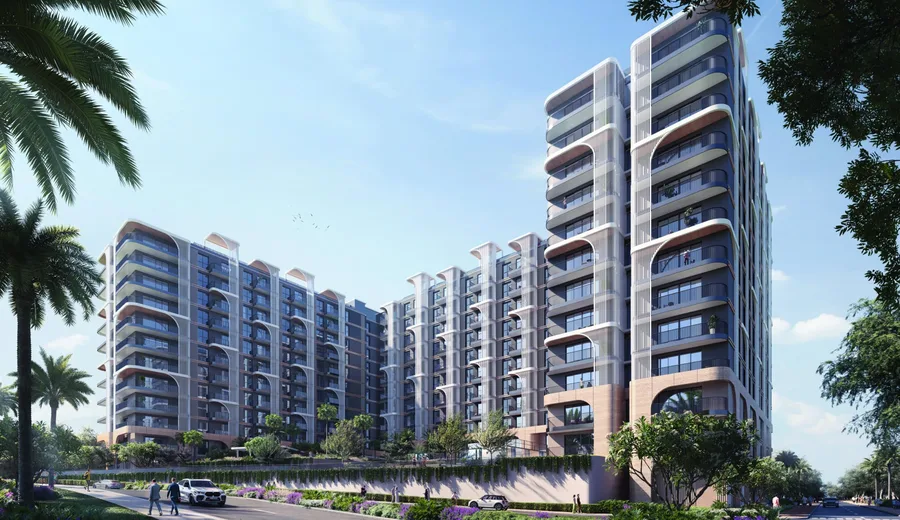
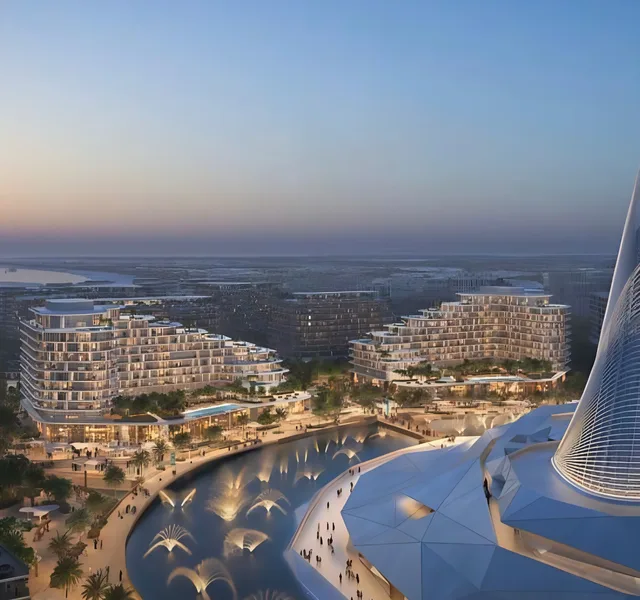
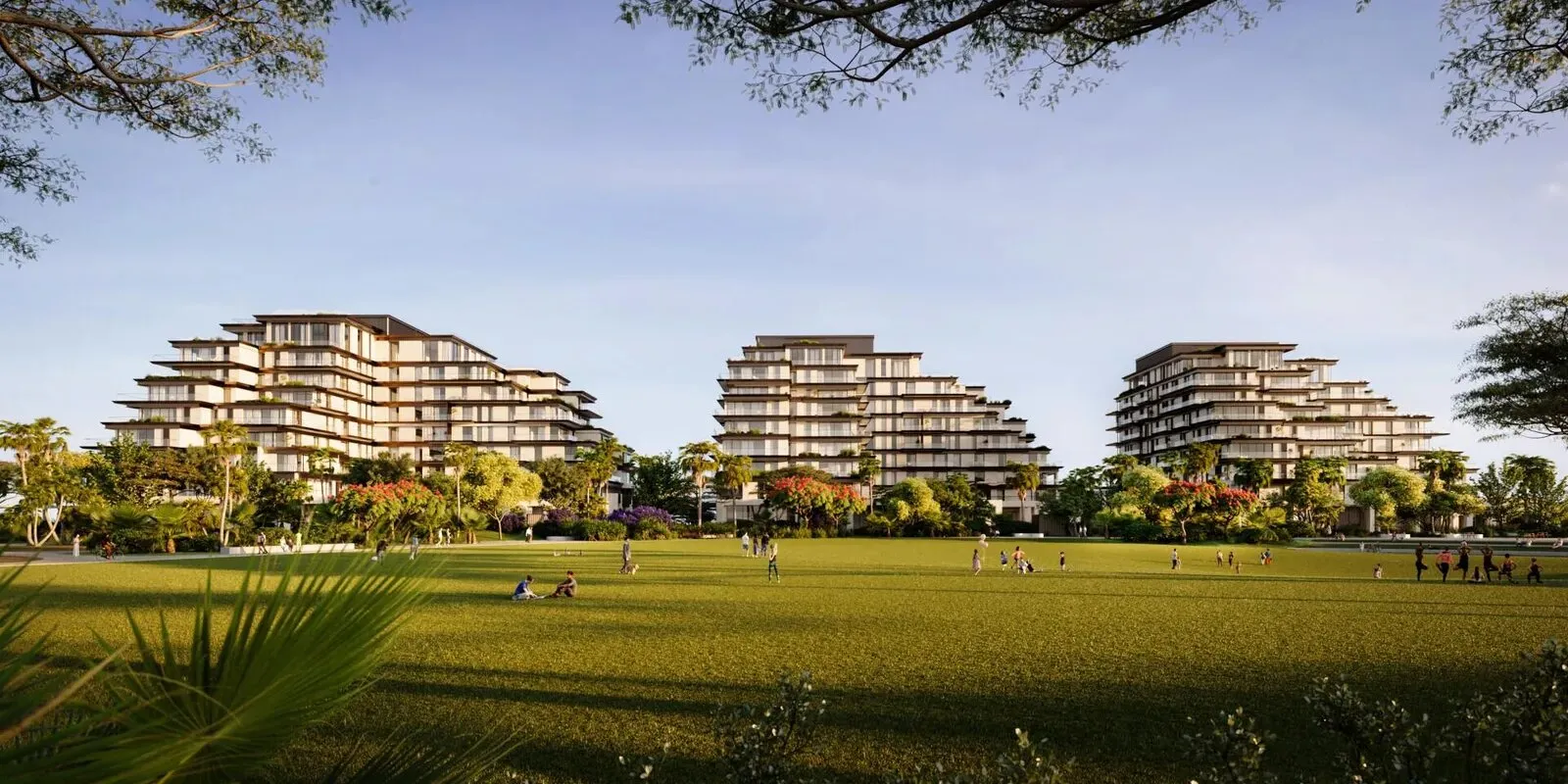
Mamsha Gardens It is 200 m from Mamsha Beach. There are seven nine-storey buildings and 493 homes: 480 apartments and 13 townhouses. The largest group comprises 163 three-bedroom apartments with a study and maid's room, at about 262 m². There are 141 one-bedroom apartments, at about 99 m². The three-storey townhouses, each with its own roof terrace, are about 108 to 125 m². Completion is scheduled for Q1 2029. The payment plan is 10% on purchase, 55% in five instalments during construction and 35% on handover. In our catalogue, prices start from AED 6,500,000.
The podium courtyard has a garden and climbing wall, with gardens on the roofs of the fifth and seventh buildings. Some apartments have views of Zayed National Museum and the Gulf.
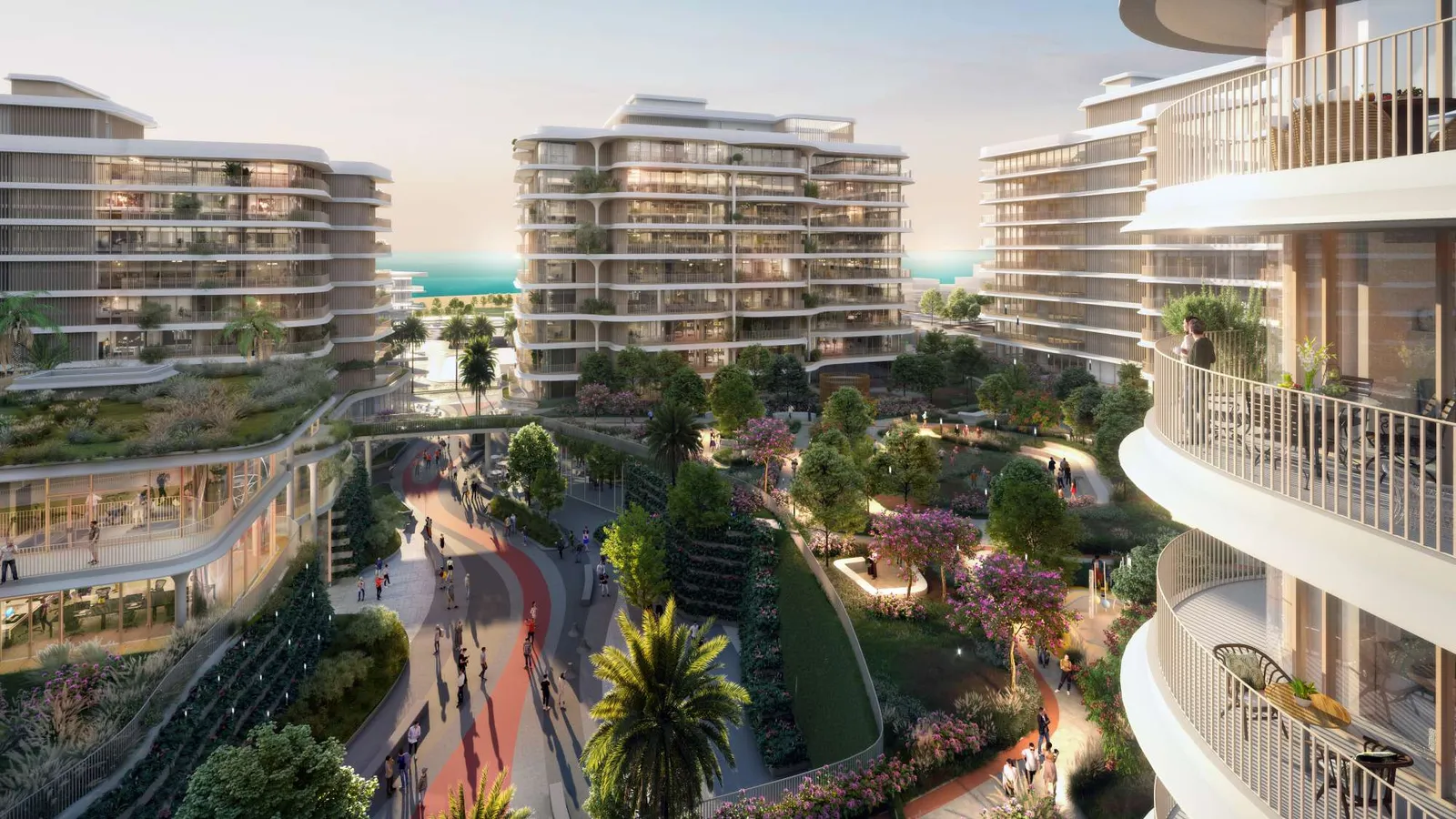
The Source II: completion this year
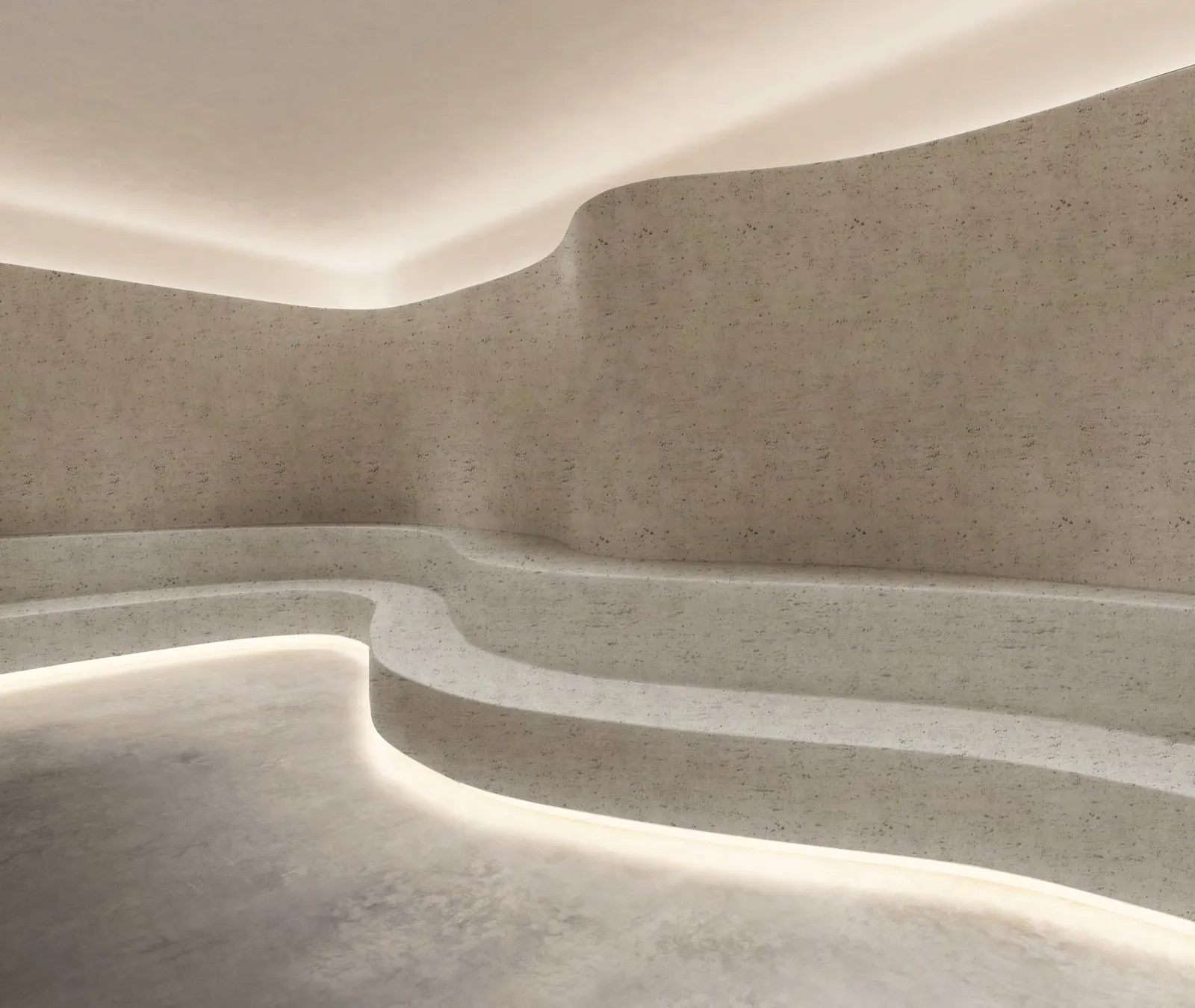
The Source IIIt is the development in this guide due for completion soonest: Q4 2026. It stands in Saadiyat Grove, is nine storeys tall and has one- to three-bedroom apartments. The focus is on wellness: a salt cave, Kneipp paths, a tepidarium and an ice pool. The building is designed for a 2 Pearl rating under the local Estidama system, and WELL certification is in progress. Buyers' funds are held in an escrow account with FAB. In our catalogue, apartments start from AED 5,000,000.
The Source II payment plan is 12% on purchase, 50% in five instalments from November 2023 to March 2026, and 40% on handover. The construction dates have already passed, so the terms for a buyer now will be different. Ask the developer separately for current terms.
Marsa Al Saadiyat: villas by the canal
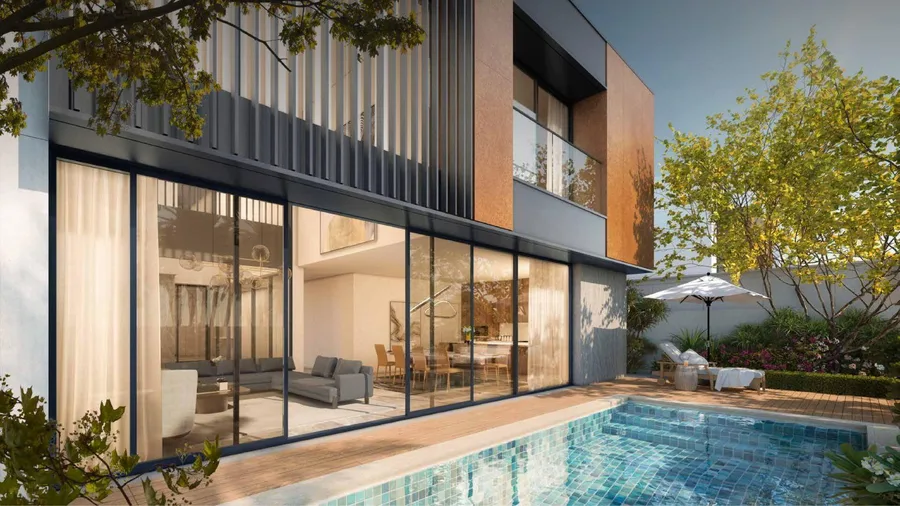
Marsa Al SaadiyatThere are two Aldar villa communities, Talay and Talay Beach. Together they have 351 two-storey villas: 167 in Talay and 184 in Talay Beach. They have four to six bedrooms, areas of about 502 to 634 m², and plots of about 841 to 883 m². Talay is scheduled for completion in Q4 2029, and Talay Beach in Q4 2030. Prices start from AED 13,500,000, with 50% payable before handover and 50% on handover.
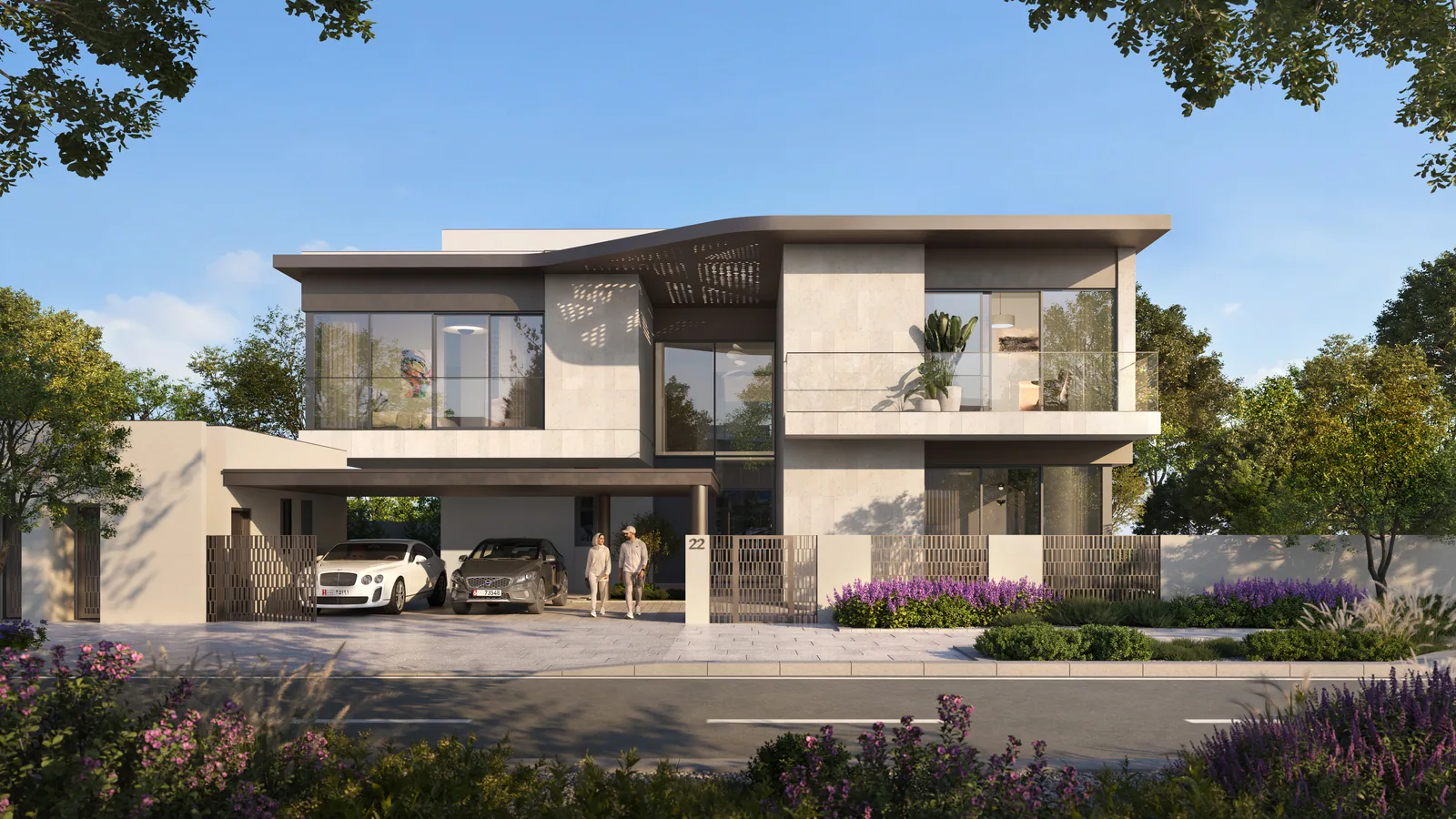
A canal inspired by traditional Arab falaj irrigation channels runs through the community. The fences echo the pattern of arish palm-frond huts and were designed by Emirati designer Abdalla Al Mulla. The communities have their own beach access, a residents' vegetable garden and a fountain. A marina with more than 350 berths is nearby, and Dar Al Funun by Frank Gehry is due to open here by 2030. A mosque is 100 m away, a school 300 m, and a beach club 650 m.
Four Seasons: apartments by the turtle beach
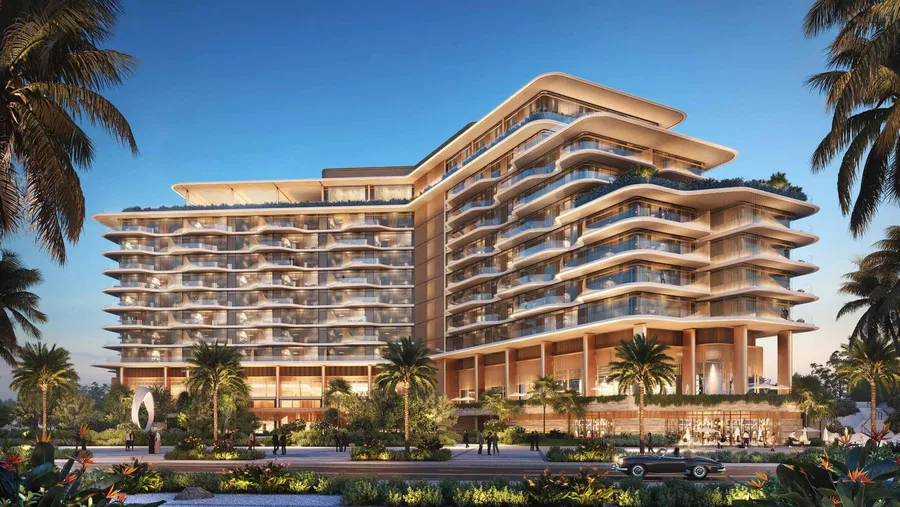
Four Seasons Private Residences Four Seasons Private Residences is being developed by ALAIN, with the Four Seasons brand under licence. There are two seven-storey buildings and Beach Mansion villas directly by the beach. Killa Design designed the architecture, with facades following the line of the surf, and LW Design Group designed the interiors. Kitchens are by Molteni and Gaggenau, and bathroom fittings by Gessi, Agape and Toto. Completion is scheduled for Q3 2029. The payment plan is 10% in the first two instalments plus a 2% fee, 30% in six instalments during construction and 60% on handover. Funds are held in escrow with ADCB.
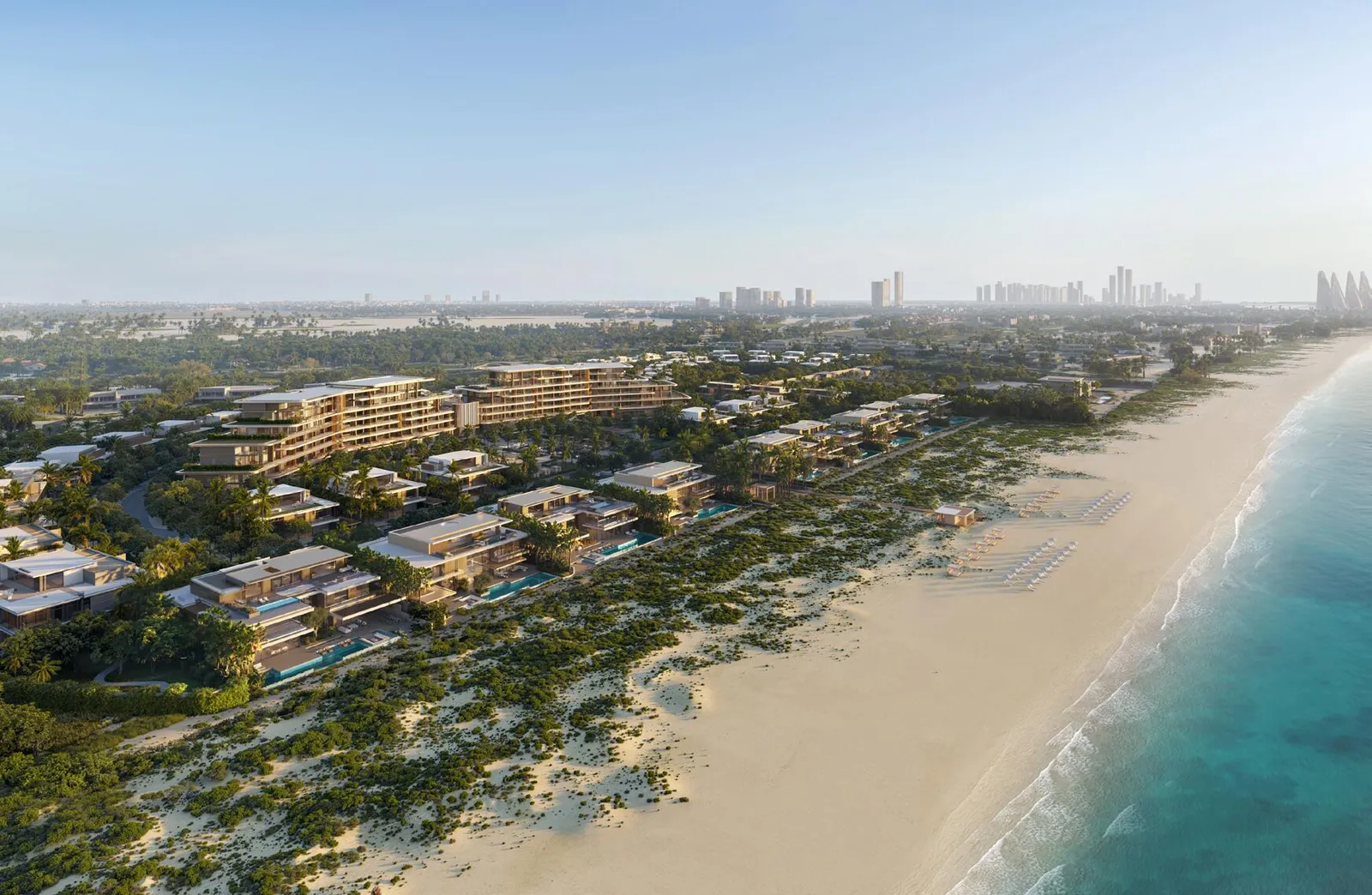
This is the most expensive development in this guide: in our catalogue, apartments start from AED 54,200,000, for four-bedroom homes of 738 to 745 m². The beach by the building is the one visited by turtles. The golf club is 5 minutes away, Louvre Abu Dhabi and Guggenheim Abu Dhabi 10 minutes, and Abu Dhabi airports 25 minutes.
More homes on the island
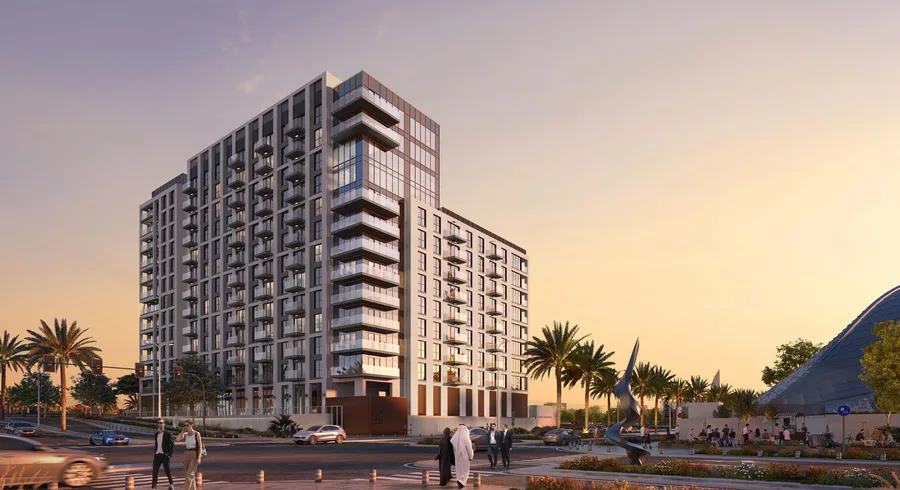
Twelve more island developments from our catalogue. The price and completion date are updated on each development's page. Find other developments in the Emirates catalogue.
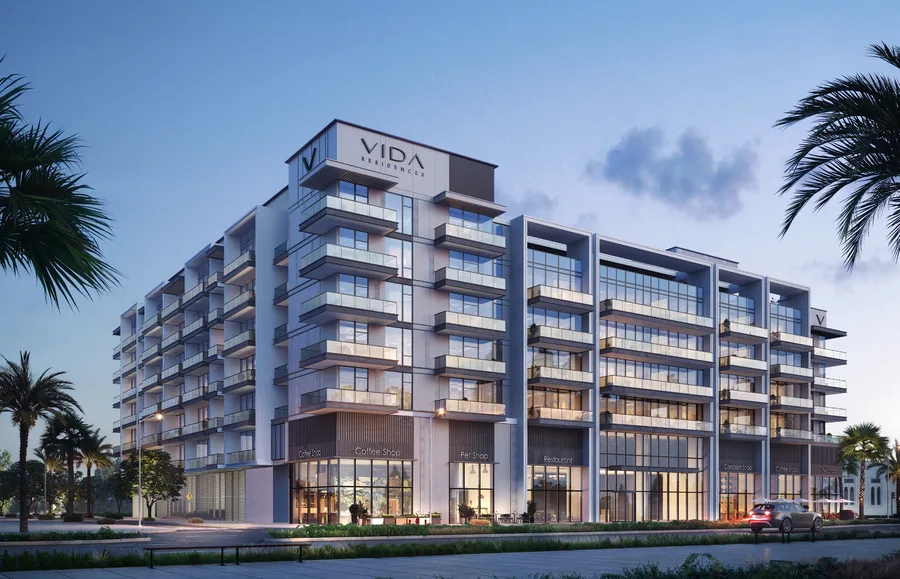
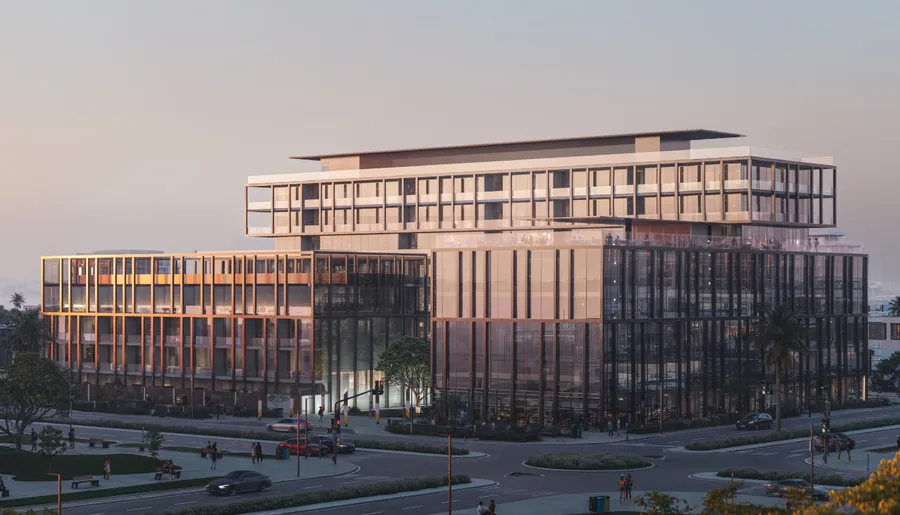
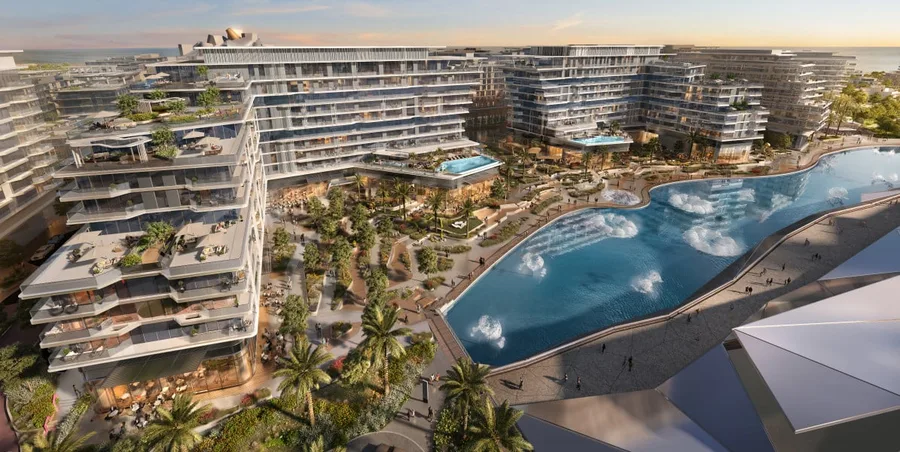
The price of entry
Entry prices on Saadiyat vary by a factor of several dozen. A studio at Nouran Living costs AED 900,000. Apartments at Vida Residences, Sensi and Sei Saadiyat start at just under AED 3 million. Entry prices for The Source II, The Source Terraces and Mamsha Gardens range from about AED 5 million to AED 6.5 million. Above that come The Row Saadiyat, villas and branded residences.
A "from" price is always for the smallest apartment. Compare like-for-like apartments on the same payment terms. On top of the price, the buyer pays registration fees and, after handover, an annual service charge. We explain how this works in our article on the cost of owning an apartment.
A large handover payment can be convenient: you pay less than half before receiving the keys. But the money must be ready by then, otherwise you will need to sell the apartment before handover or take out a mortgage. We explain how to read a payment plan in our article on developer payment plans.
You can also sell before handover at a profit. Here is an example from our work in Abu Dhabi, on neighbouring Yas Island. In February 2023, our client bought a one-bedroom apartment there with a water view for $360,000. This was 10% below the initial price, after we negotiated with the developer. He paid 5% upfront and a further 27% during construction, $115,000 in total. The apartment was sold before the building's handover for $484,000 to a buyer from our client base. We have a separate article on Yas Island.
What you don’t see at a viewing
What will change by 2030
Guggenheim Abu Dhabi is expected to open on 11 December 2026, completing the Cultural District. The Source II, The Grove, Louvre Abu Dhabi Residences and Manarat Living are due for completion in 2026. The bulk of homes are due from 2027 to 2030: Nouran Living, The Source Terraces, Mamsha Gardens, The Row Saadiyat, Sei Saadiyat and the two villa communities. Frank Gehry's Dar Al Funun is due at the marina by 2030. Zaha Hadid's performing arts centre remains on hold, and it has not been announced whether it will be built.
The four developments covered here alone, Sei Saadiyat, The Row Saadiyat, Mamsha Gardens and Marsa Al Saadiyat, have more than 2,300 apartments and villas. In four years, the museum island will become a district home to thousands of families. We do not forecast future prices.
Who it suits and who it doesn't
| What matters to you | Which development | Why |
|---|---|---|
| Living near the museums | Sei Saadiyat, The Row Saadiyat | Walking distance to Louvre Abu Dhabi and Zayed National Museum |
| Beach and garden for children | Mamsha Gardens | 200 m to the beach, podium garden |
| Move in sooner | The Source II | Completion in Q4 2026 |
| Your own land and home | Marsa Al Saadiyat | Villas on plots of about 850 m², school nearby |
| Beachfront living and a brand-name residence | Four Seasons Private Residences | Home by the beach, hotel services |
| Smaller budget | Nouran Living | Studios from AED 900,000 |
Who it may not suit. People who commute to Dubai every day: it is an hour each way. People looking for nightlife and busy streets: it is quiet here, with museums and beach clubs open in the evening. People planning to let a flat short-term in the first year: most buildings are still under construction. Read our guide to freehold ownership to understand how property ownership works for foreigners in the Emirates.
Buying mistakes
Quick answers
Where is Saadiyat Island?
It is in the Emirate of Abu Dhabi, 500 m from the island where Abu Dhabi city centre is located. By car, central Abu Dhabi is about five minutes away, the airport about 20 minutes, and Dubai about an hour. This is not Dubai but the neighbouring emirate.
What is on the island besides homes?
The island is home to the Cultural District, with Louvre Abu Dhabi, Zayed National Museum, the Natural History Museum, teamLab Phenomena and Abrahamic Family House. Guggenheim Abu Dhabi is still being completed and is expected to open on 11 December 2026. The island also has a beach with dunes, a golf club, hotels and NYU Abu Dhabi.
How much does an apartment on Saadiyat cost?
Prices start at AED 900,000 for a studio of around 30 m² at Nouran Living. Apartments at Sei Saadiyat start from AED 2.95 million, while Marsa Al Saadiyat villas start from AED 13.5 million. The most expensive apartments in this guide, by the beach at Four Seasons Private Residences, start from AED 54.2 million.
When will homes on Saadiyat be handed over?
Some of the island's districts have long been inhabited, while new buildings will be handed over through 2030. Aldar's The Source II is due in Q4 2026, Mamsha Gardens in Q1 2029, The Row Saadiyat in Q1 2030, and Sei Saadiyat and Talay Beach villas in Q4 2030.
What share of the price is paid before handover?
It depends on the development. At The Row Saadiyat and Mamsha Gardens, 65% is due before handover and 35% on handover. At Sei Saadiyat and Marsa Al Saadiyat, half is due on handover. At Four Seasons Private Residences, 60% remains payable on handover.
Can you live on Saadiyat and work in Dubai?
Yes, but it is an hour each way in light traffic, and 70 to 85 minutes to Dubai Airport. Doing that commute every day is difficult. Saadiyat is better suited to people who work in Abu Dhabi.
More guides
Tell us what you are looking for
Leave your number. A broker will call you, ask a few questions and send you a shortlist. No calls just to ask if you are still interested.